Introduction: The Numbers That Actually Matter

Here's the truth that changed everything for me: Calories determine if you lose weight. Macros determine what you lose—fat or muscle.

You can eat 1,800 calories of donuts and lose weight. You'll also lose muscle, feel miserable, stay hungry, and probably give up by week three. Or you can eat 1,800 calories of steak, rice, and vegetables—and lose pure fat while maintaining strength and energy.

The difference? Macronutrients.

Most people approach nutrition backwards. They eat "healthy foods" without understanding the ratios. They cut carbs because someone on Instagram said so. They avoid fat because it has more calories. They under-eat protein because they don't realize it's the most important macro of all.

By the end of this guide, you'll know exactly how much protein, fat, and carbohydrates to eat for your specific goal. No guessing. No food rules. Just data-driven nutrition that actually works.

Whether you're cutting fat, building muscle, or maintaining your physique, the principles are the same. Master your macros, and you master your body composition.

Let's get started.

What Are Macros? The Building Blocks of Nutrition

Macronutrients—protein, fats, and carbohydrates—are the three nutrients your body needs in large amounts. Unlike micronutrients (vitamins and minerals), macros provide the energy and structural materials your body uses to function.

macro-split-pie-chart

Here's what each one does and why it matters:

Protein: The Structural Powerhouse (4 calories per gram)

Protein is the building block of muscle tissue, but its role goes far beyond building biceps. Every cell in your body contains protein—your skin, hair, enzymes, hormones, and immune cells all depend on it.

Why protein is crucial:

  • Muscle preservation: When you're in a calorie deficit, your body needs protein to maintain lean mass. Without adequate protein, you'll lose muscle along with fat.

  • Satiety: Protein is the most filling macronutrient. High-protein diets consistently show better adherence because people feel less hungry.

  • Thermic effect: Your body burns 20-30% of protein's calories just digesting it. This is significantly higher than carbs (5-10%) or fat (0-3%).

Common sources: Chicken, fish, beef, eggs, Greek yogurt, cottage cheese, protein powder, tofu, legumes.

Fats: The Hormonal Regulator (9 calories per gram)

Dietary fat got a bad reputation in the 1990s, but science has thoroughly debunked the "low-fat" craze. Fat is essential for hormone production, brain function, and nutrient absorption.

Why you need dietary fat:

  • Hormone production: Testosterone, estrogen, and other hormones require adequate fat intake. Go too low, and your hormones crash.

  • Vitamin absorption: Vitamins A, D, E, and K are fat-soluble, meaning you need fat to absorb them.

  • Brain health: Your brain is 60% fat. Cutting fat too low impairs cognitive function and mood.

  • Satiety: Fat slows digestion, keeping you fuller longer.

Common sources: Olive oil, avocados, nuts, seeds, fatty fish (salmon, mackerel), egg yolks, butter, cheese.

Important note: At 9 calories per gram, fat is the most calorie-dense macro. This doesn't make it "bad," but it does mean portion control matters more with fats than with protein or carbs.

Carbohydrates: The Energy Source (4 calories per gram)

Carbs have become controversial in recent years, with low-carb and keto diets dominating headlines. But carbohydrates aren't the enemy—they're your body's preferred energy source, especially for high-intensity exercise.

Why carbs matter:

  • Workout performance: Carbs fuel intense training. If you lift weights or do HIIT, carbs improve performance and recovery.

  • Brain function: Your brain runs primarily on glucose. While it can adapt to ketones, most people think more clearly with adequate carbs.

  • Muscle glycogen: Carbs fill your muscles with glycogen, the stored form of glucose. This gives muscles that "full" look and provides energy for contractions.

  • Fiber and micronutrients: Whole-food carb sources (fruits, vegetables, whole grains) provide fiber, vitamins, and minerals that are harder to get from protein and fat alone.

Common sources: Rice, oats, potatoes, sweet potatoes, bread, pasta, fruits, vegetables, legumes.

Alcohol: The "Fourth Macro" (7 calories per gram)

Alcohol isn't technically a macronutrient because your body can't use it for energy storage or structural purposes. But at 7 calories per gram, it absolutely impacts your total intake.

The alcohol dilemma:

  • Your body prioritizes metabolizing alcohol over everything else, essentially pausing fat burning until the alcohol is cleared.

  • Alcohol provides calories but zero nutritional value—no protein for muscle, no vitamins, no fiber.

  • It lowers inhibitions, making you more likely to overeat.

How to account for alcohol: Most tracking apps don't have an "alcohol macro." Instead, log it as a combination of carbs and fats. A standard drink (beer, glass of wine, shot of liquor) contains roughly 100-150 calories. Budget these into your daily totals and adjust your carb and fat intake accordingly.

Visual Reference: The Macro Pie Chart

A typical "balanced" macro split looks like this:

  • Protein: 30% of total calories

  • Fats: 30% of total calories

  • Carbohydrates: 40% of total calories

But here's the reality: there's no single "perfect" ratio. Your ideal split depends on your goals, activity level, and personal preferences. We'll cover how to customize this in the sections ahead.

Macros vs. Calories: Why Quality Matters

You've probably heard the phrase "a calorie is a calorie." From a pure physics standpoint, this is true—100 calories of broccoli contains the same energy as 100 calories of candy.

But from a body composition standpoint? It's completely wrong.

Let me explain with an example.

Scenario A: You eat 2,000 calories of donuts, candy, and soda.

  • Your protein intake is minimal, so your body breaks down muscle tissue for amino acids.

  • You're hungry all day because sugar spikes and crashes your blood glucose.

  • Your metabolism slows because muscle is the most metabolically active tissue you're losing.

  • You lose 20 pounds, but 10 of those pounds are muscle. You look "skinny fat."

Scenario B: You eat 2,000 calories of chicken, rice, vegetables, and healthy fats.

  • Your protein intake preserves muscle mass even in a deficit.

  • You feel satisfied because protein and fiber regulate hunger hormones.

  • Your metabolism stays elevated because you're maintaining muscle.

  • You lose 20 pounds of pure fat. You look lean and defined.

Both scenarios create the same calorie deficit, but the outcomes are drastically different. This is why tracking macros—not just calories—transforms your results.

calories-vs-macros-comparison

The Thermic Effect of Food (TEF)

Another reason macros matter: your body burns calories just digesting food. This is called the thermic effect of food, and it varies dramatically by macronutrient:

  • Protein: 20-30% of calories burned during digestion

  • Carbohydrates: 5-10% of calories burned

  • Fats: 0-3% of calories burned

Example: If you eat 100 calories of protein, your body uses 20-30 of those calories to digest it. You net only 70-80 calories. If you eat 100 calories of fat, you net 97-100 calories.

This is one reason high-protein diets are so effective for fat loss. You're not just eating less—you're also burning more through digestion alone.

For a deeper dive into how your metabolism adapts during dieting, check out our complete guide on How Metabolism Really Works.

How to Calculate Your Perfect Macro Split

Calculating your macros isn't complicated, but it does require some math. Follow these three steps, and you'll have your personalized targets in under five minutes.

Step 1: Find Your TDEE (Total Daily Energy Expenditure)

Your TDEE is the total number of calories you burn each day. It includes your basal metabolic rate (the calories you burn just staying alive) plus all your activity—workouts, walking, fidgeting, everything.

To find your TDEE:

  1. Use our TDEE Calculator to get an accurate estimate

  2. Track your weight and calories for 2 weeks to verify (optional but recommended)

  3. Adjust based on your goal:

    • Fat loss: Subtract 300-500 calories (conservative deficit)

    • Muscle gain: Add 200-300 calories (conservative surplus)

    • Maintenance: Eat at your TDEE

Example: Let's say your TDEE is 2,500 calories and your goal is fat loss. Your target intake would be 2,000-2,200 calories per day.

Step 2: Set Your Protein (The Non-Negotiable Priority)

Protein is the foundation of any good macro plan. Whether you're cutting, bulking, or maintaining, protein stays high.

The formula: Aim for 0.8-1.0 grams of protein per pound of body weight.

  • Sedentary or minimal exercise: 0.8g per pound

  • Moderate activity or cutting: 0.9g per pound

  • Heavy training or aggressive cutting: 1.0g per pound

Example: If you weigh 180 pounds and you're cutting fat, aim for 160-180 grams of protein per day.

Converting to calories: Since protein has 4 calories per gram, multiply your protein target by 4.

  • 180g protein × 4 = 720 calories from protein

Use our Protein Calculator to get your exact needs based on your activity level and goals.

Step 3: Fill the Rest with Fats and Carbs

Once you've set your calories and protein, the remaining calories get split between fats and carbohydrates. Here's where personal preference and activity level come into play.

Fat minimum: Never go below 0.3g per pound of body weight. This ensures hormone health.

  • 180-pound person: minimum 54g of fat per day (486 calories)

From there, you have options:

Option A: Higher Carb (Best for active lifters)

  • Fat: 20-30% of total calories

  • Carbs: Fill the rest

  • Best for: People who train intensely 4+ times per week, feel better with carbs, or struggle with energy on low-carb diets

Option B: Higher Fat (Best for sedentary or keto dieters)

  • Fat: 35-45% of total calories

  • Carbs: Fill the rest

  • Best for: People who prefer keto, do mostly low-intensity activity, or feel more satiated with higher fat

Option C: Balanced (The default starting point)

  • Fat: 25-35% of total calories

  • Carbs: Fill the rest

  • Best for: Most people, especially beginners

Example calculation (using our 180-pound person eating 2,000 calories for fat loss):

Protein: 180g (720 calories) — 36% of total Fats: 60g (540 calories) — 27% of total Carbs: 185g (740 calories) — 37% of total

These numbers give you a starting point. You'll adjust based on how you feel, perform, and progress over the next 2-4 weeks.

macro-calculation-steps

The Macro Math Cheat Sheet

To save you time, here are pre-calculated macro targets for common body weights and goals. These assume a moderate activity level (lifting 3-4x per week).

Fat Loss Macros

Body Weight

Calories

Protein

Fats

Carbs

150 lbs

1,800

150g

50g

175g

180 lbs

2,000

180g

60g

185g

200 lbs

2,200

200g

65g

205g

Muscle Gain Macros

Body Weight

Calories

Protein

Fats

Carbs

150 lbs

2,400

150g

65g

270g

180 lbs

2,800

180g

75g

330g

200 lbs

3,100

200g

85g

365g

Maintenance Macros

Body Weight

Calories

Protein

Fats

Carbs

150 lbs

2,100

150g

60g

210g

180 lbs

2,500

180g

70g

260g

200 lbs

2,750

200g

75g

290g

Remember: These are starting points. Your actual needs may be 10-15% higher or lower depending on your metabolism, activity level, and genetics. Use these as a baseline, then adjust based on your results over 2-4 weeks.

Strategies by Goal: Customizing Your Approach

Now that you understand the math, let's talk strategy. Your macro split should align with your primary goal.

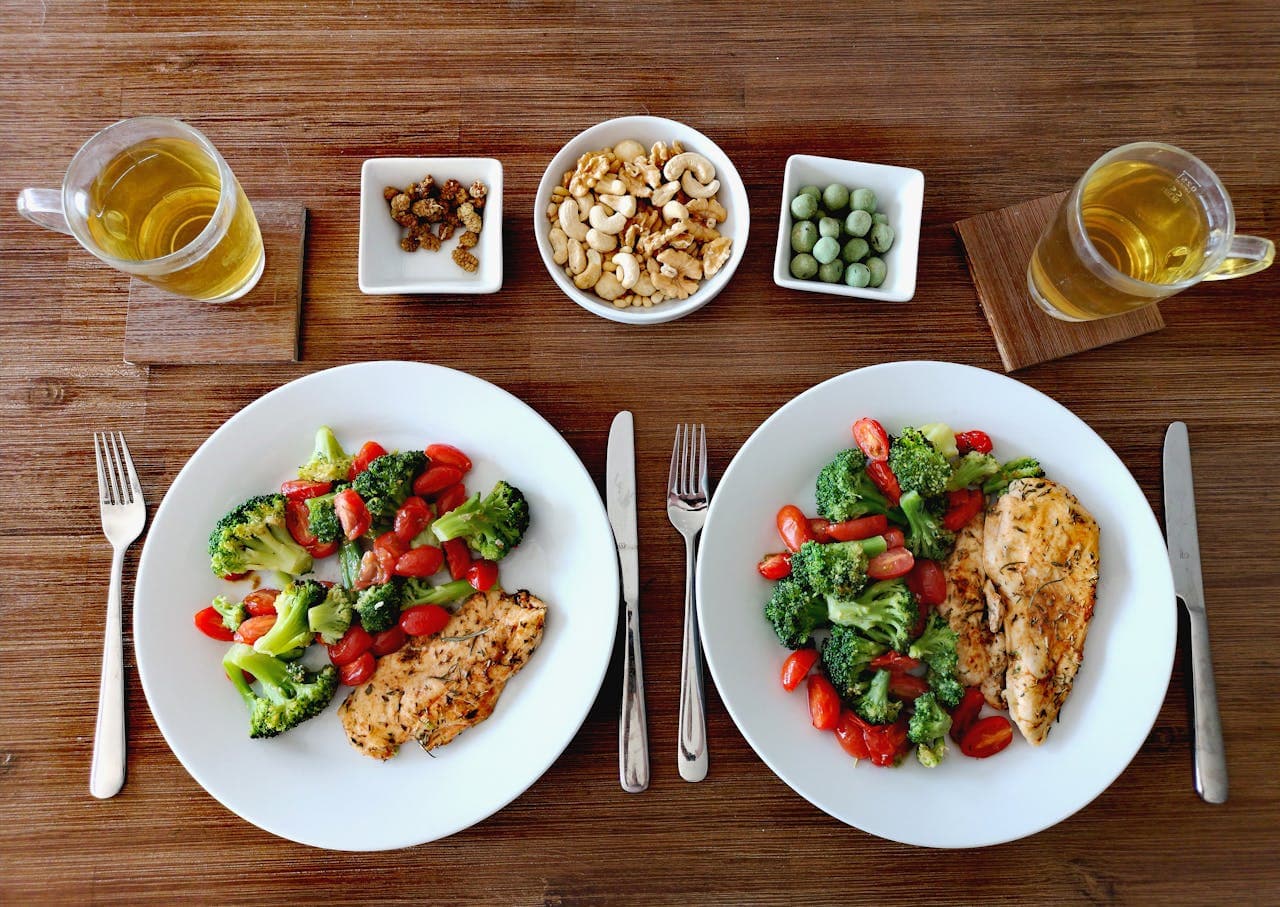
fat-loss-vs-muscle-gain-plates

Fat Loss: The Cut

Primary objective: Lose fat while preserving muscle mass.

Macro priorities:

  1. Protein: HIGH (1.0g per pound of body weight)

  2. Fats: MODERATE (0.3-0.4g per pound)

  3. Carbs: FILL THE REST (but lower than maintenance)

Why this works:

  • High protein prevents muscle loss and keeps you full

  • Moderate fat supports hormones without taking up too many calories

  • Lower carbs create the deficit needed for fat loss while still providing energy for training

Pro tips for cutting:

  • Prioritize protein at every meal to stay satisfied

  • Save most of your carbs for around your workout when they'll fuel performance

  • Don't drop calories too aggressively (300-500 deficit is plenty)

  • Track your weight weekly and adjust if you're losing more than 1% of body weight per week

Sample day (2,000 calories for 180 lb person):

  • Breakfast: 4 eggs, 2 slices whole wheat toast, 1 cup berries

  • Lunch: 6 oz grilled chicken, large salad with 2 tbsp olive oil, 1 cup quinoa

  • Pre-workout: Protein shake, banana

  • Dinner: 8 oz salmon, 8 oz sweet potato, roasted vegetables

  • Totals: 180g protein, 60g fat, 185g carbs

Muscle Gain: The Bulk

Primary objective: Build muscle while minimizing fat gain.

Macro priorities:

  1. Protein: HIGH (0.8-1.0g per pound)

  2. Carbs: HIGH (to fuel training and recovery)

  3. Fats: MODERATE (0.3-0.4g per pound)

Why this works:

  • High protein provides the building blocks for muscle tissue

  • High carbs fuel intense training sessions and replenish glycogen

  • The calorie surplus provides energy for muscle growth

Pro tips for bulking:

  • Don't go crazy with the surplus (200-300 calories is enough)

  • Spread protein across 4-5 meals for optimal muscle protein synthesis

  • Time your largest carb meals around training for best performance

  • Accept that you'll gain some fat—that's normal and necessary

Sample day (2,800 calories for 180 lb person):

  • Breakfast: 3 whole eggs + 3 egg whites, 1 cup oatmeal, 1 tbsp peanut butter, banana

  • Snack: Greek yogurt, granola, berries

  • Lunch: 8 oz ground turkey, 2 cups rice, black beans, avocado

  • Pre-workout: Rice cakes, protein shake

  • Dinner: 8 oz steak, large baked potato, green beans, butter

  • Totals: 180g protein, 75g fat, 330g carbs

Maintenance: Body Recomposition

Primary objective: Build muscle and lose fat simultaneously (or maintain your current physique).

Macro priorities:

  1. Protein: HIGH (0.8-1.0g per pound)

  2. Carbs: MODERATE TO HIGH (based on activity)

  3. Fats: MODERATE (0.3-0.4g per pound)

Why this works:

  • Eating at maintenance means no deficit stress on your body

  • High protein supports muscle growth even without a surplus

  • Adequate carbs fuel training performance

  • Beginners and returning lifters can build muscle at maintenance

Pro tips for recomposition:

  • Be patient—recomp happens slowly over months, not weeks

  • Train hard with progressive overload

  • Prioritize sleep and recovery (this is when muscle grows)

  • Consider calorie cycling (higher on training days, lower on rest days)

Sample day (2,500 calories for 180 lb person):

  • Breakfast: Protein pancakes (protein powder, oats, eggs), berries, maple syrup

  • Lunch: Burrito bowl with chicken, rice, beans, veggies, cheese, sour cream

  • Snack: Apple, 2 tbsp almond butter

  • Dinner: 6 oz cod, 6 oz jasmine rice, stir-fried vegetables in sesame oil

  • Evening: Protein ice cream (protein powder + frozen banana)

  • Totals: 180g protein, 70g fat, 260g carbs

Flexible Dieting & IIFYM: The 2026 Approach

Here's the best-kept secret in nutrition: You don't have to eat "clean" 100% of the time to see results.

The flexible dieting movement—often called IIFYM (If It Fits Your Macros)—has revolutionized how we think about nutrition. The core principle is simple: hit your macro targets, and the food sources are flexible.

flexible-dieting-80-20-rule

What Is Flexible Dieting?

Flexible dieting means you can eat foods you enjoy—pizza, ice cream, burgers—as long as they fit within your daily macro targets.

Traditional dieting:

  • "Good foods" vs. "bad foods"

  • Rigid meal plans

  • Restriction and deprivation

  • Falls apart when you "cheat"

Flexible dieting:

  • All foods fit in moderation

  • Daily macro targets (not rigid meals)

  • Sustainable and enjoyable

  • No "cheating" because nothing is off-limits

The 80/20 Rule (The Sweet Spot)

While IIFYM technically allows you to eat anything, the healthiest approach is the 80/20 rule:

80% whole foods: Lean proteins, whole grains, fruits, vegetables, healthy fats. These provide micronutrients, fiber, and satiety.

20% fun foods: Pizza, desserts, alcohol, processed snacks. These provide enjoyment and make the diet sustainable.

Why this balance works:

  • You get adequate micronutrients and fiber from whole foods

  • You don't feel restricted or deprived

  • Social situations (restaurants, parties) don't derail your progress

  • You can maintain this approach for years, not just weeks

Example: If you eat 2,000 calories per day, 1,600 should come from nutrient-dense whole foods, and 400 can come from treats.

How to Track Without Becoming Obsessive

Macro tracking is a tool, not a lifestyle. Here's how to use it wisely:

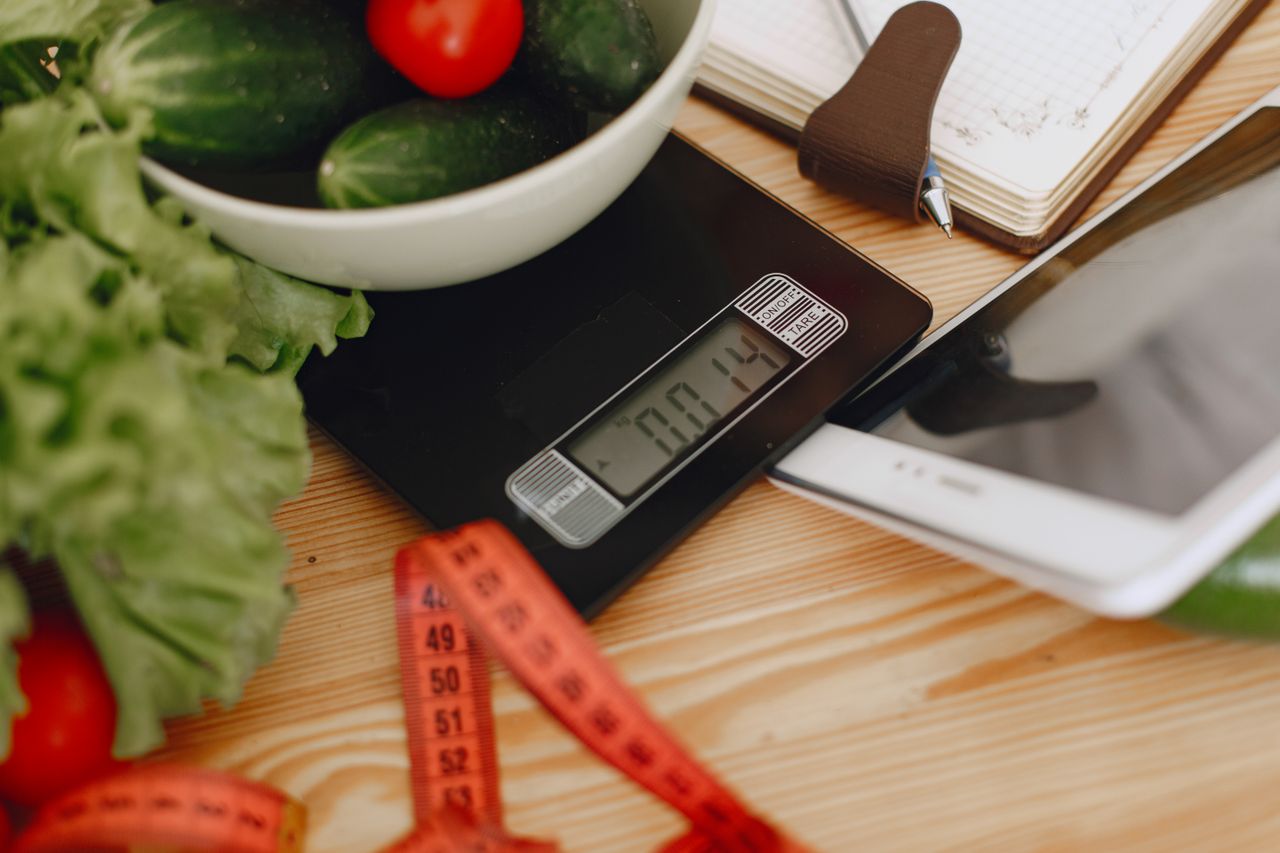
Phase 1: Learning (4-8 weeks) Track everything meticulously. Use a food scale. Log every meal. This phase teaches you what 30g of protein looks like, how much oil you're actually using, and where hidden calories sneak in.

Phase 2: Intuitive Tracking (ongoing) Once you've internalized portions, you can estimate most foods accurately. You might still log your meals, but you don't need to weigh everything. Check in with the scale every few weeks to verify you're on track.

Phase 3: No Tracking (maintenance) Eventually, many people can maintain their physique without tracking at all. They've developed an intuition for portion sizes and know what their body needs. If progress stalls, they can return to tracking temporarily.

Best apps for macro tracking in 2026:

  • MyFitnessPal: Largest food database, easy barcode scanning

  • Cronometer: Best for micronutrient tracking

  • MacroFactor: AI-powered adjustments based on your progress

  • Carbon Diet Coach: Guided coaching with automatic macro adjustments

Tracking Without Apps: The Hand Method

Not everyone wants to track macros in an app. If you prefer a more relaxed approach—or you're traveling, dining out, or just don't want to be glued to your phone—the hand method is your solution.

This system uses your hand as a built-in measuring tool. Since your hand is proportional to your body size, it automatically scales portions to your needs.

hand-portion-method-guide

The Hand Method Guide

Protein: 1 palm Your palm (thickness and circumference, not including fingers) equals roughly 25-30g of protein.

  • Men: 2 palms per meal

  • Women: 1 palm per meal

  • Examples: Chicken breast, fish fillet, ground beef patty

Carbs: 1 cupped hand Your cupped hand equals roughly 25-30g of carbs.

  • Men: 2 cupped hands per meal

  • Women: 1 cupped hand per meal

  • Examples: Rice, pasta, oats, potatoes, bread

Fats: 1 thumb Your thumb (entire thumb, tip to base) equals roughly 10-12g of fat.

  • Men: 2 thumbs per meal

  • Women: 1 thumb per meal

  • Examples: Butter, oil, nuts, avocado, cheese

Vegetables: 1 fist Your fist equals roughly 1 cup of vegetables (25-50 calories).

  • Everyone: 1-2 fists per meal

  • Examples: Broccoli, spinach, peppers, tomatoes

Sample meal using the hand method (for a man):

  • 2 palms of grilled chicken (50-60g protein)

  • 2 cupped hands of rice (50-60g carbs)

  • 2 thumbs of olive oil for cooking (20-24g fat)

  • 1 fist of roasted broccoli (5g carbs, negligible protein/fat)

This gives you a balanced macro split without weighing anything or using an app.

When to Use the Hand Method

Perfect for:

  • Social dining (restaurants, parties)

  • Travel

  • Maintenance phases

  • People who find tracking stressful

Not ideal for:

  • Aggressive cuts where precision matters

  • Competitive bodybuilding prep

  • People who struggle with portion control

The hand method works best after you've tracked macros for at least a few weeks. You need to know what a balanced plate looks like before you can eyeball it accurately.

How to Adjust Macros Over Time

Here's what most macro guides miss: Your needs change as your body changes.

The macros that worked when you started won't work forever. As you lose fat, gain muscle, or plateau, you need to adjust. Here's how.

When to Adjust Your Macros

Scenario 1: Fat Loss Plateau You've been losing 1-2 pounds per week, but suddenly the scale hasn't moved in 2 weeks.

What's happening: Your metabolism has adapted. You're burning fewer calories now that you're lighter.

Solution:

  • Drop calories by 100-200 (reduce carbs or fats, never protein)

  • OR increase activity slightly (add 10-15 minutes of walking daily)

  • Wait 2 weeks and reassess

Scenario 2: Losing Weight Too Fast You're losing more than 1% of body weight per week (1.8+ pounds for a 180 lb person).

What's happening: Your deficit is too aggressive. You're likely losing muscle along with fat.

Solution:

  • Increase calories by 100-200 (add carbs for energy)

  • Ensure protein is at 1.0g per pound minimum

  • Slow down to 1-1.5 pounds per week for better muscle retention

Scenario 3: Muscle Gain Stalls You've been bulking but haven't gained weight in 3 weeks, and your lifts aren't progressing.

What's happening: You're not in a surplus anymore. Your increased activity and muscle mass have raised your TDEE.

Solution:

  • Add 200 calories (mostly from carbs)

  • Monitor weight weekly

  • Aim for 0.5-1 pound gained per week

Scenario 4: Gaining Too Much Fat You're bulking but gaining more than 1 pound per week, and you're noticing fat accumulation.

What's happening: Your surplus is too large.

Solution:

  • Reduce calories by 200 (cut from carbs and fats equally)

  • Slow to 0.5 pounds per week

  • Focus on progressive overload in the gym to ensure gains are muscle, not fat

Metabolic Adaptation and Diet Breaks

When you diet for extended periods (12+ weeks), your metabolism adapts to conserve energy. You burn fewer calories through spontaneous movement, you feel colder, and fat loss slows even if you're eating the same amount.

The solution: Diet breaks

Every 8-12 weeks of dieting, take a 1-2 week break where you eat at maintenance calories. This:

  • Restores leptin levels (a hormone that regulates hunger and metabolism)

  • Gives you a mental break from restriction

  • Allows you to return to dieting with a restored metabolism

During a diet break, keep protein high and bring carbs and fats back up to maintenance levels. You might gain 2-3 pounds of water weight—this is normal and will disappear when you resume the deficit.

For a complete breakdown of how your metabolism responds to dieting, read our guide on Metabolic Adaptation and How to Reverse Diet.

Advanced Tactics: Carb Cycling & Keto

Once you've mastered basic macro tracking, you might want to experiment with advanced strategies. These aren't necessary for most people, but they can optimize results for specific goals.

Carb Cycling: Matching Carbs to Activity

Carb cycling means eating more carbs on training days and fewer carbs on rest days. This optimizes performance while maximizing fat loss.

How it works:

  • High-carb days (training days): Eat at maintenance or slight surplus, load carbs for energy and recovery

  • Low-carb days (rest days): Eat in a deficit, reduce carbs, increase fats slightly

Example for 180 lb person (weekly average: 2,200 calories):

  • Training days (4x per week): 2,400 calories — 180g protein, 60g fat, 280g carbs

  • Rest days (3x per week): 1,900 calories — 180g protein, 70g fat, 135g carbs

Who should try carb cycling:

  • Intermediate to advanced lifters

  • People who feel flat or weak on consistent low carbs

  • Those who want psychological variety in their diet

Who should skip it:

  • Beginners (stick to consistent macros first)

  • People who find it too complicated

  • Those with disordered eating tendencies

Ketogenic Diet: High Fat, Very Low Carb

The ketogenic diet involves eating less than 50g of carbs per day (often 20-30g) and getting 70-80% of calories from fat. This forces your body into ketosis, where it burns fat for fuel instead of glucose.

Typical keto macros:

  • Protein: 20-25% of calories (0.8-1.0g per pound)

  • Fats: 70-75% of calories

  • Carbs: 5-10% of calories (under 50g)

Who benefits from keto:

  • People with insulin resistance or type 2 diabetes

  • Those who feel more satiated with fat than carbs

  • People who don't perform high-intensity training

  • Those with certain neurological conditions (epilepsy, some cases of ADHD)

Who should avoid keto:

  • Athletes who do HIIT or heavy lifting (performance suffers without carbs)

  • People with a history of disordered eating

  • Those who love carbs and would be miserable without them

The reality of keto: It's not magic. You lose weight on keto because fat and protein are filling, so you naturally eat fewer calories. Keto doesn't defy thermodynamics—it just makes creating a deficit easier for some people.

If you love bread, rice, fruit, and pasta, keto will be torture. If you love bacon, cheese, avocados, and steak, you might thrive on it.

Other Advanced Strategies

Intermittent Fasting (IF): Eating all your macros within a shortened time window (e.g., 16:8 or 20:4). Doesn't change macros, just meal timing. Helpful for some people's hunger management.

Refeeds: Planned high-carb days during a cut to temporarily boost leptin and provide a psychological break. Similar to carb cycling but less frequent (once per week or every 2 weeks).

Reverse Dieting: Gradually increasing calories after a diet to restore metabolism without rapid fat gain. Critical for long-term metabolic health.

The key takeaway: these strategies are tools, not requirements. Master the basics first, then experiment if you're curious.

Common Macro Mistakes (And How to Fix Them)

Even with a solid understanding of macros, it's easy to make mistakes that sabotage your results. Here are the most common pitfalls and how to avoid them.

Mistake #1: "Eyeballing" Portions

The problem: Most people drastically underestimate how much they're eating. That "tablespoon" of peanut butter is actually 3 tablespoons. That "medium" chicken breast is actually 10 oz, not 6 oz.

The fix: Use a food scale for at least 4-6 weeks. Weigh calorie-dense foods (oils, nuts, butter, nut butters, cheese) every single time. Once you've internalized what proper portions look like, you can estimate more accurately.

Mistake #2: Ignoring Liquid Calories

The problem: Lattes, juices, sodas, alcohol, and even protein shakes add up fast. A single Starbucks frappuccino can contain 400+ calories—20% of your daily budget.

The fix: Track everything that isn't water. If it has calories, it goes in your tracker. Switch to black coffee, unsweetened tea, or diet sodas if you need to save calories.

Mistake #3: Not Adjusting Macros as You Lose Weight

The problem: You set your macros when you weighed 200 pounds. Now you weigh 180 pounds, but you're still eating the same amount. Fat loss has stalled because you're no longer in a deficit.

The fix: Recalculate your TDEE every 10-15 pounds of weight loss. Adjust your macros accordingly. Use our TDEE Calculator to find your new targets.

Mistake #4: Eating Too Little Protein

The problem: You're hitting your calorie target but only eating 60-80g of protein per day. You're losing muscle along with fat.

The fix: Make protein the priority at every meal. Aim for 25-40g per meal. If you're consistently low, add a protein shake or Greek yogurt as a snack.

Mistake #5: Cutting Fats Too Low

The problem: You're trying to maximize calories, so you cut fats to the bare minimum (20-30g per day). Your hormones crash, your libido disappears, and you feel terrible.

The fix: Never go below 0.3g per pound of body weight. For a 180 lb person, that's 54g minimum. Prioritize healthy fats like olive oil, avocados, fatty fish, and nuts.

Mistake #6: Overcomplicating Things

The problem: You're trying to carb cycle, intermittent fast, and time your nutrients around workouts all at once. You're stressed and overwhelmed.

The fix: Master the basics first. Hit your daily macro targets consistently for 12 weeks before adding any advanced strategies. Consistency beats complexity every time.

Mistake #7: Not Tracking Vegetables

The problem: You track protein, carbs, and fats meticulously, but you never log vegetables because they're "low calorie." Then you wonder why you're not losing fat—it's because those "2 cups of veggies" were actually 6 cups with butter, and you're eating an extra 300 calories per day.

The fix: Log everything, especially if it's cooked with oil or butter. Raw vegetables are low-calorie, but cooked veggies with added fats can add up quickly.

Frequently Asked Questions About Macros

Do I have to track vegetables?

For most vegetables, no—but with exceptions. Non-starchy vegetables (leafy greens, broccoli, peppers, cucumbers) are so low in calories that tracking them precisely doesn't matter. However:

  • Always track: Starchy vegetables (potatoes, corn, peas, squash), legumes (beans, lentils), and any vegetables cooked with oil or butter

  • Track if cutting: If you're in an aggressive fat loss phase, track everything for maximum accuracy

  • Don't sweat it if maintaining: If you're eating at maintenance and piling on the leafy greens, you're fine

Bottom line: If it grows above ground and you're eating it raw or steamed, don't stress. Everything else should be logged.

What if I go over my fats but stay under my total calories?

This is fine occasionally, but don't make it a habit. Here's why:

Going over your fat target means you're under your carb target (assuming protein stays constant). This can impact:

  • Workout performance: Carbs fuel high-intensity training better than fats

  • Recovery: Carbs replenish muscle glycogen more efficiently

  • Satiety: You might find you're hungrier the next day

If it happens once or twice per week, no big deal. If it's every day, adjust your meal planning to balance things out.

What are the best apps for tracking in 2026?

macro-tracking-app-interface

MyFitnessPal: Free, massive food database, easy barcode scanner. Best for beginners.

Cronometer: Free and premium versions. Tracks micronutrients and gives detailed nutrition feedback. Best for health-conscious trackers.

MacroFactor: Paid app with AI coaching. Adjusts your macros automatically based on your progress. Best for serious trainees who want hands-off optimization.

Carbon Diet Coach: Paid app with guided coaching and automatic adjustments. Best for people who want structured guidance.

Lose It!: Similar to MyFitnessPal but with a cleaner interface. Good alternative for beginners.

Most people will do perfectly fine with the free version of MyFitnessPal or Cronometer.

Can I eat the same macros every day or should they vary?

For most people: Eating the same macros daily is simpler and works great. It creates consistency and makes meal planning easier.

For advanced trainees: Varying macros based on training (carb cycling) can optimize performance and recovery, but it's not necessary for 90% of people.

Start with consistent daily macros. If you plateau or get bored after 12+ weeks, then experiment with cycling.

How accurate do I need to be?

During the learning phase (first 4-8 weeks): Be as accurate as possible. Weigh your food, log everything, learn what portions look like.

After that: Aim for 90% accuracy. Track your main meals precisely, but don't stress if you don't log that handful of berries or that stick of gum. Being approximately right beats being precisely wrong.

The 10g rule: If a food has fewer than 10g of protein/carbs/fat, you can often estimate it without weighing. If it has more, weigh it.

Should I eat differently on rest days vs. training days?

For most people: No. Keep your macros consistent daily. This simplifies meal planning and creates steady energy levels.

For advanced optimization: You can reduce carbs slightly on rest days (by 50-100g) and increase them on training days. This is carb cycling, and it works well for some people.

Start with consistent macros. After 3 months, if you want to experiment with cycling, go for it.

What if I'm vegetarian or vegan?

You can absolutely hit your macro targets on a plant-based diet. It just requires more planning, especially for protein.

High-protein plant foods:

  • Tofu and tempeh (20-25g protein per cup)

  • Seitan (75g protein per cup)

  • Lentils and beans (15-18g protein per cup)

  • Edamame (18g protein per cup)

  • Protein powder (pea, rice, soy blends)

  • Nutritional yeast (8g protein per 2 tbsp)

  • Quinoa (8g protein per cup)

Pro tip: Combine protein sources to get complete amino acid profiles. Rice + beans, hummus + pita, and peanut butter + whole wheat bread are all complete proteins.

Vegan lifters often need to eat slightly more total protein (1.0-1.2g per pound) because plant proteins are slightly less bioavailable than animal proteins.

How long does it take to see results?

Week 1-2: Mostly water weight changes. You'll drop 3-5 pounds if cutting (or gain 3-5 if bulking), but this isn't fat or muscle—it's water and glycogen.

Week 3-4: Real changes begin. If you're cutting, you'll notice your clothes fitting differently. If you're bulking, you'll feel fuller and stronger.

Week 6-8: Visible changes. Fat loss or muscle gain becomes apparent in the mirror and in photos.

Week 12+: Significant transformation. This is when friends start commenting on your progress.

The key is consistency. Tracking macros works, but only if you stick with it long enough to see results.

balanced-macro-meal-prep

Conclusion: Data Beats Guessing Every Time

If you made it this far, congratulations. You now know more about macros than 95% of people who claim to "eat healthy."

Here's the truth: You can't manage what you don't measure.

For years, you might have tried to eat "clean" or "cut carbs" or "go keto" without understanding the actual numbers behind your food. You probably saw some results at first, then plateaued and wondered what went wrong.

Now you know the answer: your macros weren't aligned with your goals.

The beauty of macro tracking is that it removes the guesswork. You know exactly what you're eating. You know exactly what you need. And when progress stalls, you know how to adjust.

But knowledge without action is useless. Here's what to do next:

  1. Calculate your TDEE using our TDEE Calculator

  2. Set your protein target using our Protein Calculator

  3. Fill in fats and carbs based on your preferences and activity level

  4. Track your intake for 2 weeks to establish a baseline

  5. Adjust based on your progress every 2-4 weeks

Remember: the best macro split is the one you can stick to. Consistency beats perfection every single time.

You don't need to track macros forever. But you should track them long enough to understand your body's needs. After 8-12 weeks of consistent tracking, you'll have developed an intuition that most people never build.

Data beats guessing. Numbers beat feelings. Results beat intentions.

Now go use the calculators, set your baseline, and start making real progress.


Ready to Get Started?

Calculate Your Perfect Macros:

Read Related Guides:

Track Your Progress: Download one of our recommended apps and start logging today. Remember: you only need to be precise for 4-8 weeks to learn portion sizes. After that, you can track more intuitively.

The tools are free. The knowledge is here. All that's left is execution.