

Every month my female clients complain about the exact same things. They experience intense cramps before their period. They feel exhausted and bloated. They tell me their cycle phases completely ruin their fitness progress.
I know exactly how they feel. For years I struggled with a highly irregular menstrual cycle and terrible pre menstruation symptoms. I thought a heavy bleeding period and intense pain were just a normal part of being a woman. I relied on heating pads and pain medication just to get through the week.
You know what? I was completely wrong. Suffering through your monthly period is not mandatory.
When I finally started studying female cycle phases I realized my diet was actually making my symptoms worse. I began tracking my menstrual cycle days and changing my food based on my fluctuating hormones. The intense cramps disappeared. My energy stabilized. I finally experienced a normal period cycle.
You cannot separate your nutrition from your women period cycle. Your body requires completely different nutrients on day two of your cycle than it does on day twenty. Let me explain exactly how your female hormone cycle works and how you can eat to fix your symptoms.
Understanding the 4 Phases of Menstrual Cycle Biology
Most people only think about their period when it arrives. But your menstrual cycle actually operates on a continuous loop that lasts anywhere from twenty one to thirty five days.
A normal menstrual cycle contains four distinct stages. Your hormones rise and fall drastically during these stages of period development. When you understand these fluctuations you can use food as medicine to support your body.
The Journal of Obstetrics and Gynaecology Canada published a massive clinical review in 2021 regarding diet and menstrual pain. The researchers proved that diets high in inflammatory foods directly worsen menstruation cramps and heavy menstruation. On the other hand diets rich in specific vitamins significantly provide menstruation pain relief.
Let us break down exactly what you should eat during all four stages of the menstrual cycle.
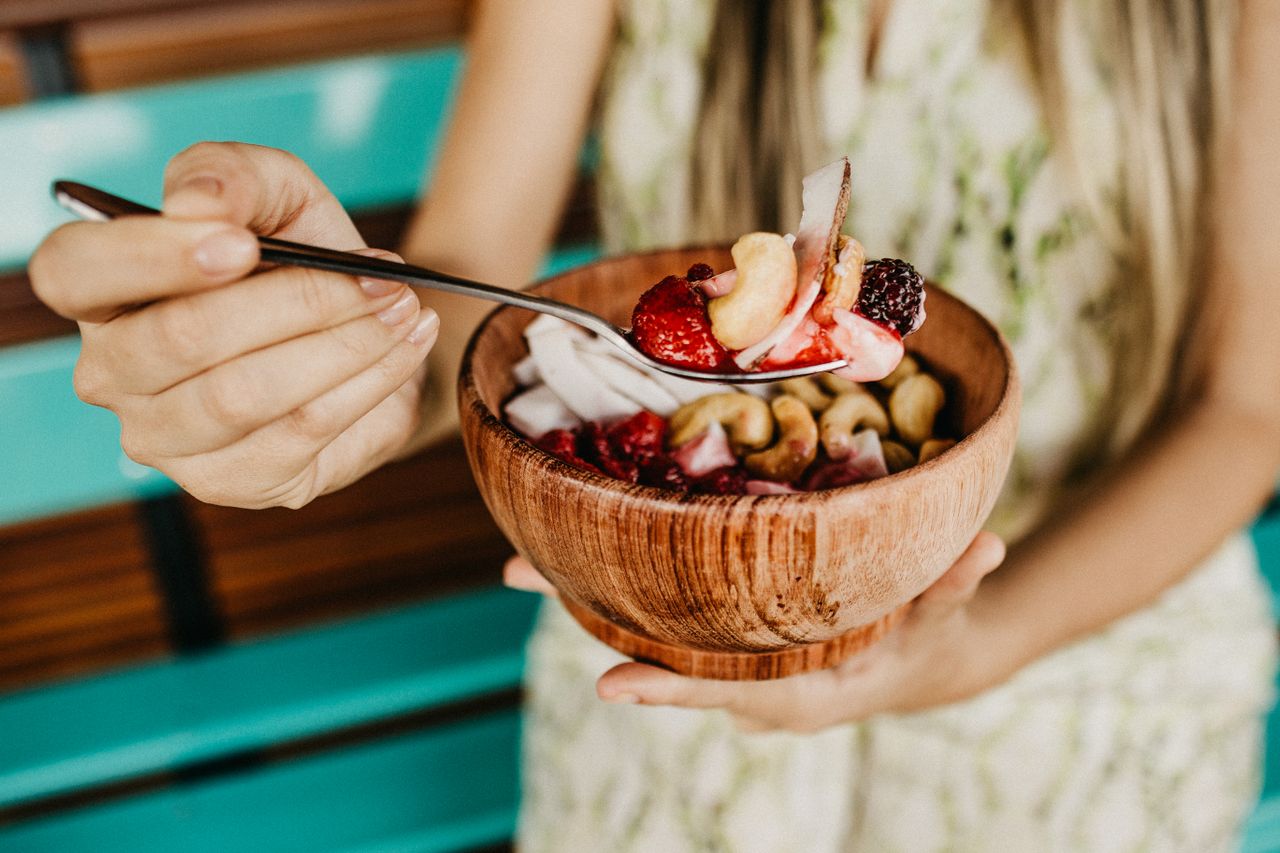
Photo by Jonathan Borba from Pexels
Caption: Feeding your body the right nutrients at the right time is the absolute best way to balance your female hormone cycle.
Phase One: The Menstrual Phase
This phase begins on the first day you bleed. We call this your last menstrual period start date. For most women the bleeding lasts between three to seven days.
During the menstrual phase of menstrual cycle biology your estrogen and progesterone levels drop to their absolute lowest point. Your uterus sheds its lining. This process requires a massive amount of energy. If you suffer from heavy periods or a heavy flow period you are losing a significant amount of iron.
Your goal right now is remineralization and comfort.
You need to eat warm cooked foods. Your body is already working hard to process your period cycle so do not force it to digest raw cold salads. Focus on soups and stews.
You must replenish your iron stores to prevent fatigue. Eat grass fed beef, dark leafy greens, and lentils. I always tell my clients to pair their iron rich foods with vitamin C. Squeeze some fresh lemon juice over your spinach. Vitamin C helps your body absorb the iron much faster.
If you deal with severe cramp period pain you need omega three fatty acids. Eat wild caught salmon and chia seeds. These healthy fats actively reduce the inflammatory prostaglandins that cause painful uterine contractions.
Phase Two: The Follicular Phase
As your bleeding stops you enter the follicular phase. This usually lasts from day six to day fourteen.
Your brain sends a signal to your ovaries to start preparing a new egg. Your estrogen levels begin to rise slowly. You will notice your energy returning. Your mood improves. This is usually when women feel their absolute best.
Because your estrogen is rising you want to support your body with light vibrant foods. This is the perfect time for fresh salads and raw vegetables.
You need to eat foods that support healthy estrogen production. Focus on fermented foods like kimchi and sauerkraut to support your gut health. Your gut microbiome plays a massive role in clearing out old hormones. Eat plenty of complex carbohydrates like sweet potatoes and quinoa to fuel your returning energy levels.
If you track your daily food intake you can use a macro calculator to slightly increase your carbohydrate targets during this energetic phase.
Phase Three: The Ovulation Phase
The ovulation phase is incredibly short. It usually lasts just twenty four to forty eight hours right in the middle of your cycle.
Your estrogen reaches its absolute peak. An egg drops from your ovary. If you are trying to conceive this is when you check your ovulation calculator to find your most fertile days.
During ovulation and period preparation your liver has to work incredibly hard. Once estrogen peaks your liver must metabolize and clear that excess estrogen out of your bloodstream. If your liver struggles to clear the estrogen you will experience terrible PMS symptoms next week.
You must eat to support your liver. Your absolute best friends during the ovulation cycle are cruciferous vegetables. Eat massive amounts of broccoli, cauliflower, Brussels sprouts, and kale. These vegetables contain a compound called DIM which actively helps your liver flush out excess estrogen.
Keep your meals light and focus on high quality proteins and plenty of water.
Phase Four: The Luteal Phase
This brings us to the luteal phase. This phase lasts from ovulation until your next period begins. For many women this is the most difficult part of the entire month.
Your body starts producing large amounts of progesterone. Progesterone slows down your digestion. It raises your core body temperature. It makes you feel sleepy and hungry. As you get closer to your period both estrogen and progesterone crash.
This hormonal crash triggers severe luteal phase symptoms. You notice the signs that your period is coming. You get bloated. You experience intense cramps before your period. You crave chocolate and heavy carbohydrates.
You know what? You should actually listen to those cravings.
Your body burns roughly one hundred to three hundred extra calories every single day during the luteal cycle. Your metabolism speeds up because your body is preparing for a potential pregnancy. You genuinely need more food.
Eat complex carbohydrates to stabilize your blood sugar and mood. Focus on brown rice, oats, and root vegetables. Eat magnesium rich foods like dark chocolate and pumpkin seeds to reduce water retention and ease incoming cramps.
You also need to adjust your training. You can read our detailed guide on cycle syncing your workouts to understand why you should swap heavy lifting for yoga during this sensitive week.
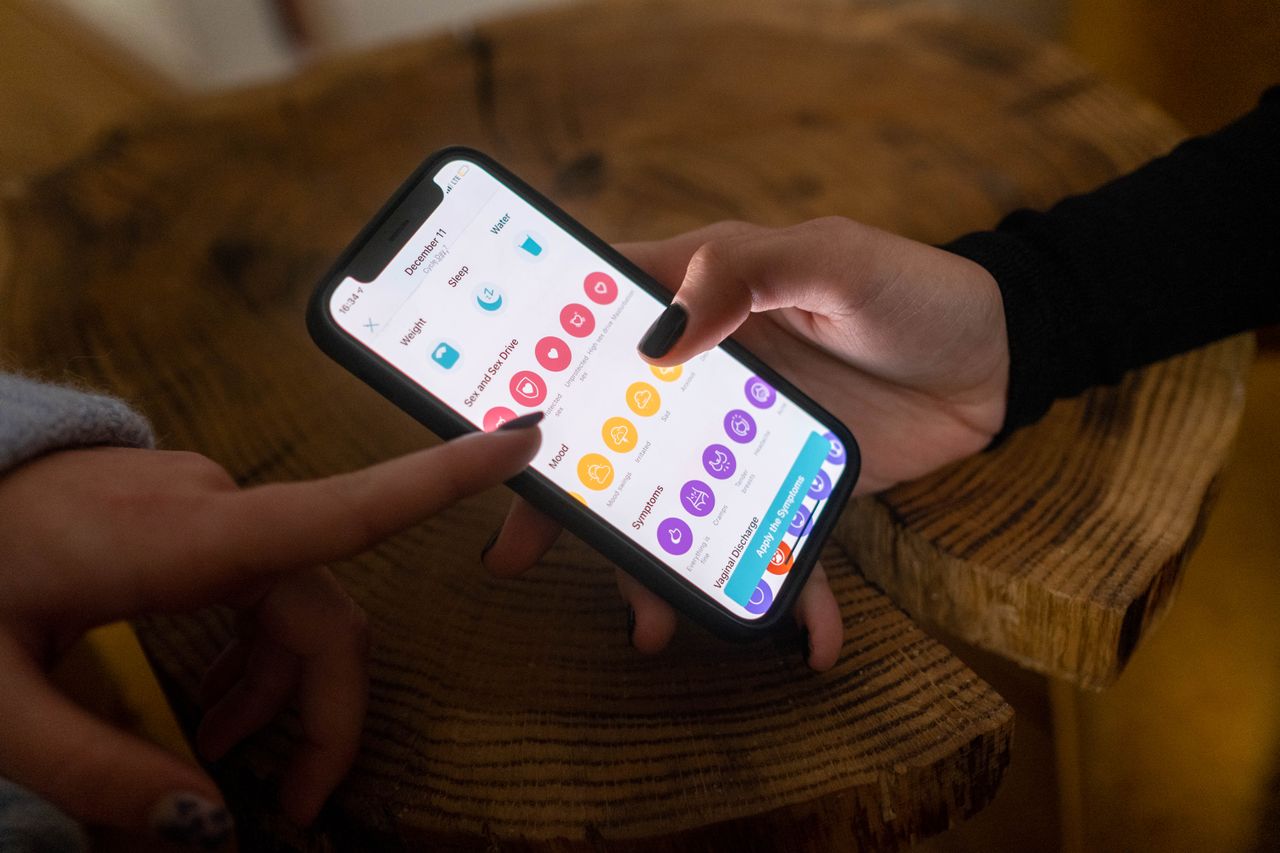
Photo by cottonbro studio from Pexels
Caption: Using a digital period tracker helps you anticipate your hormonal shifts and adjust your diet before symptoms strike.
Why You Must Track Your Cycle
You cannot eat for your cycle phases if you do not know where you are in your cycle. Memory is not good enough. You must use a period tracker.
I make all my female clients download a menstrual cycle tracker on their first day with me. Apps like the Flo period tracker or a simple digital menstrual cycle calendar work perfectly.
You need to track your bleeding days and your daily symptoms. Note when you feel pre period symptoms. Note when you experience a heavy bleeding during period days.
Tracking provides massive clarity. If you experience an abnormal period or a period 4 days late you can look at your data. Maybe you were incredibly stressed last month. Stress actively delays ovulation which causes a late period.
If you get a negative pregnancy test but no period shows up you might be dealing with an anovulatory cycle. This means your body skipped ovulation entirely due to stress or under eating. You will never know these things unless you commit to daily cycle tracking.
Addressing Irregular Cycles
Many women write to me asking about irregular periods cause and treatment. They worry about skipping months or having two periods in one month.
Irregular menstruation is a red flag from your body. It is your nervous system shouting that it does not feel safe. The most common cause of irregular menstruation in active women is simply not eating enough food. When you restrict your calories too heavily your brain shuts down the menstrual cycle pregnancy preparation process to conserve energy.
If you suffer from irregular periods perimenopause could be a factor if you are in your late thirties or forties. But for younger women the fix usually starts in the kitchen.
You must eat enough healthy fats to produce hormones. You must eat enough carbohydrates to signal safety to your thyroid. If you are struggling with absent periods you can read our guide on addressing amenorrhea and missing periods for a deeper scientific explanation.
Final Thoughts On Hormone Balance
Your period is not a curse. Your menstrual cycle hormones act as a monthly report card for your overall health.
When you experience painful menstruation symptoms or heavy irregular bleeding your body is asking for help. Stop masking the pain with pills and start treating the root cause with proper nutrition.
Download a period tracker today. Start paying attention to your female cycle. Feed your body iron and warmth during your bleeding days. Support your liver with vegetables during ovulation. Give yourself extra carbohydrates and grace during your luteal phase.
When you stop fighting your biology and start working with it your entire life changes. Your energy will soar and those miserable monthly symptoms will finally become a thing of the past.