

You stop getting your period. At first you might feel relieved. No cramps. No problem. But months elapse and your cycle vanishes. You go to a doctor. The doctor tells you that you have amenorrhea.
I regularly notice this happen with fitness clients and endurance athletes.They push their bodies hard. They restrict calories to lean out. Suddenly their hormones completely shut down.
When you struggle with this issue you find yourself searching frantically for answers. You want real guidance on hypothalamic amenorrhea recovery. You worry about your long term fertility. You wonder if you can achieve successful amenorrhea anorexia recovery without gaining a massive amount of body fat.
Here is the honest truth. Your body is not broken. Your brain is simply trying to protect you from what it perceives as a severe famine. Let me explain the exact science behind your missing cycle and how you can reverse it safely.
Why Your Brain Shuts Down Your Cycle
Your body contains a master control center in the brain called the hypothalamus. This tiny area monitors your energy balance, your stress levels, and your daily food intake.
When you burn more energy than you consume or when your stress hormones spike your hypothalamus panics. It decides that your environment is too hostile for reproduction. It stops producing gonadotropin releasing hormone. This halts your entire reproductive cascade. Your ovaries stop making estrogen and progesterone. Your period stops entirely.
We call this protective mechanism functional hypothalamic amenorrhea.
A comprehensive clinical review published in the Journal of Clinical Endocrinology and Metabolism in 2024 highlights that energy availability is the single biggest driver of this condition. When your available energy drops below a specific threshold your brain sacrifices non-essential functions like menstruation to keep your heart and lungs working. You can track your baseline energy needs using our TDEE Calculator to ensure you are eating enough and right.

Photo by ROMAN ODINTSOV from Pexels
Caption: Restoring your hormonal health requires slowing down and teaching your nervous system that it is safe.
The Truth About Hypothalamic Amenorrhea Recovery Without Weight Gain
Clients ask me this question every single day. Can I achieve hypothalamic amenorrhea recovery without gaining weight?
The nuances shape the answer. Every body has a unique weight threshold where hormones turn back on. Some women recover their cycles while maintaining their current weight. Other women need to restore a few pounds of body fat before their brain feels safe enough to ovulate.
If you try to force recovery while staying in a strict calorie deficit you will fail. Your body measures safety in surplus energy, not restricted portions. You have to convince your brain that the famine is over.
When you increase your food intake your metabolism will adapt. You can monitor your overall body composition changes using our Body Composition Guide to ensure you are healing properly without excessive fat accumulation.
Dietary Strategies to Heal Your Hormones
You cannot rely on exercise to overcome a bad diet when your hormones are crashed. Nutrition is the primary medicine for amenorrhea recovery.
You must increase your total daily calories. Stop fearing carbohydrates and fats. Your brain needs cholesterol and glucose to manufacture reproductive hormones.
Here is what you need to focus on:
Eat three substantial meals every single day plus snacks. Never skip meals or fast.
Increase your dietary fat intake. Include avocados, olive oil, nuts, and whole eggs. Fats are the foundational building blocks of estrogen and progesterone.
Consume complex carbohydrates with every meal to keep your blood sugar stable and lower your cortisol levels.
If you want to track your macro distribution accurately while healing you can use our Macro Calculator to set your baseline targets higher than your previous dieting days.
The Lifestyle Shift You Must Make
Dietary changes alone will not fix your cycle if your lifestyle remains high stress. You have to change how you move and how you live.
Exercise is a physical stressor. When you have amenorrhea your body treats intense workouts like a predator chasing you. You need to dial back your physical output significantly during recovery.
Put away the long distance running shoes. Stop doing daily high intensity boot camp classes. Swap those workouts for gentle walking, restorative yoga, or light strength training two days a week. You want to build muscle without exhausting your central nervous system.
You must also prioritize your sleep. Chronic sleep deprivation elevates cortisol. High cortisol blocks reproductive hormone production completely. Aim for eight to nine hours of deep sleep every night. You can use our Sleep Quality Calculator to check if your sleep architecture supports hormonal repair.
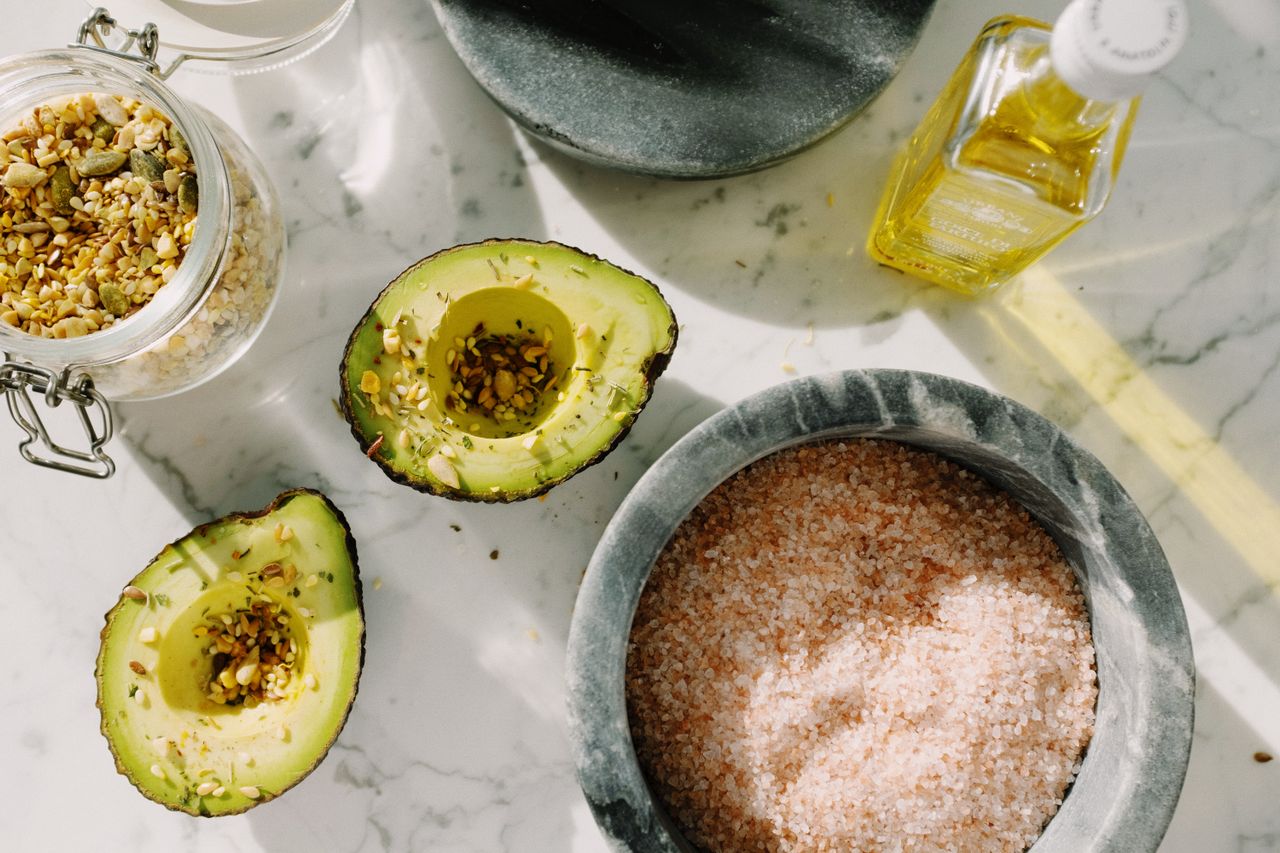
Photo by ready made from Pexels
Caption: Nourishing your body with adequate calories and healthy fats is essential for bringing your cycle back.
Patience Is Part of the Process
Recovering from amenorrhea takes time. It usually takes anywhere from three to six months of consistent eating and reduced exercise for your natural cycle to return.
Some months you might experience mild cramping or cervical mucus changes before your actual bleed returns. This means your hormones are slowly waking up. Track these signs using a digital tool or calendar.
Do not get discouraged if your period does not show up in thirty days. Your brain needs time to trust that your new habits are permanent.
Final Thoughts on Healing Your Body
Losing your period is a loud warning sign. Do not ignore it.
Embrace amenorrhea recovery as an opportunity to build a healthier relationship with food. Eat more nourishing food. Cut back on excessive cardio and Sleep deeply. Give your body the grace and energy it needs to heal itself from the inside out.