
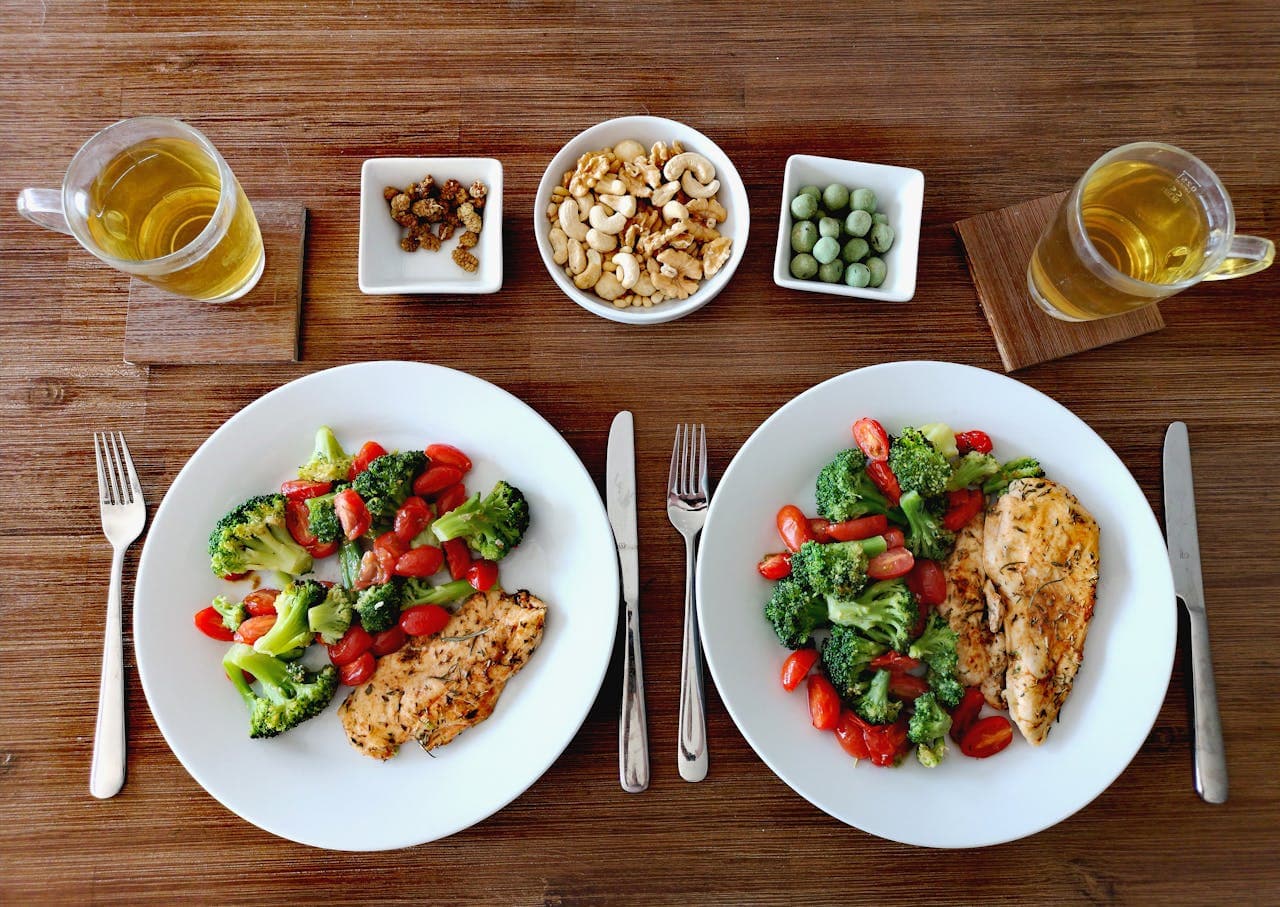
You want to change your body. You search online for a good diet plan. You find endless articles telling you to eat less food. You try eating only salads. You feel hungry all day. You quit after a week.
I know this frustrating cycle well. I lived it for years. I tried every crash diet available on the market. Nothing worked for me until I learned how to calculate macros.
I am a fitness coach. I help people build muscle and lose fat every single day. Three years ago, I decided to test different nutrition plans on my own body. I wanted to see what actually changes body composition. I tracked every single meal I ate for twelve straight months.
I discovered that counting macros changes everything. It gives you absolute freedom. You eat real food. You stop guessing. You stop starving. Let me explain exactly how this process works.
What Are Macronutrients?
We need to start with the absolute basics. The word macros is short for macronutrients. These are the three primary building blocks of the food you eat.
Protein builds your muscles. Your body uses protein to repair tissue after a tough workout. Fats protect your organs and balance your daily hormones. Carbohydrates give you immediate energy to move and think.
Every food you eat contains a mix of these three blocks. Chicken breast is almost pure protein. Olive oil is pure fat. A potato is mostly carbohydrates. When you use a good macronutrient calculator, you find the exact balance your unique body needs.
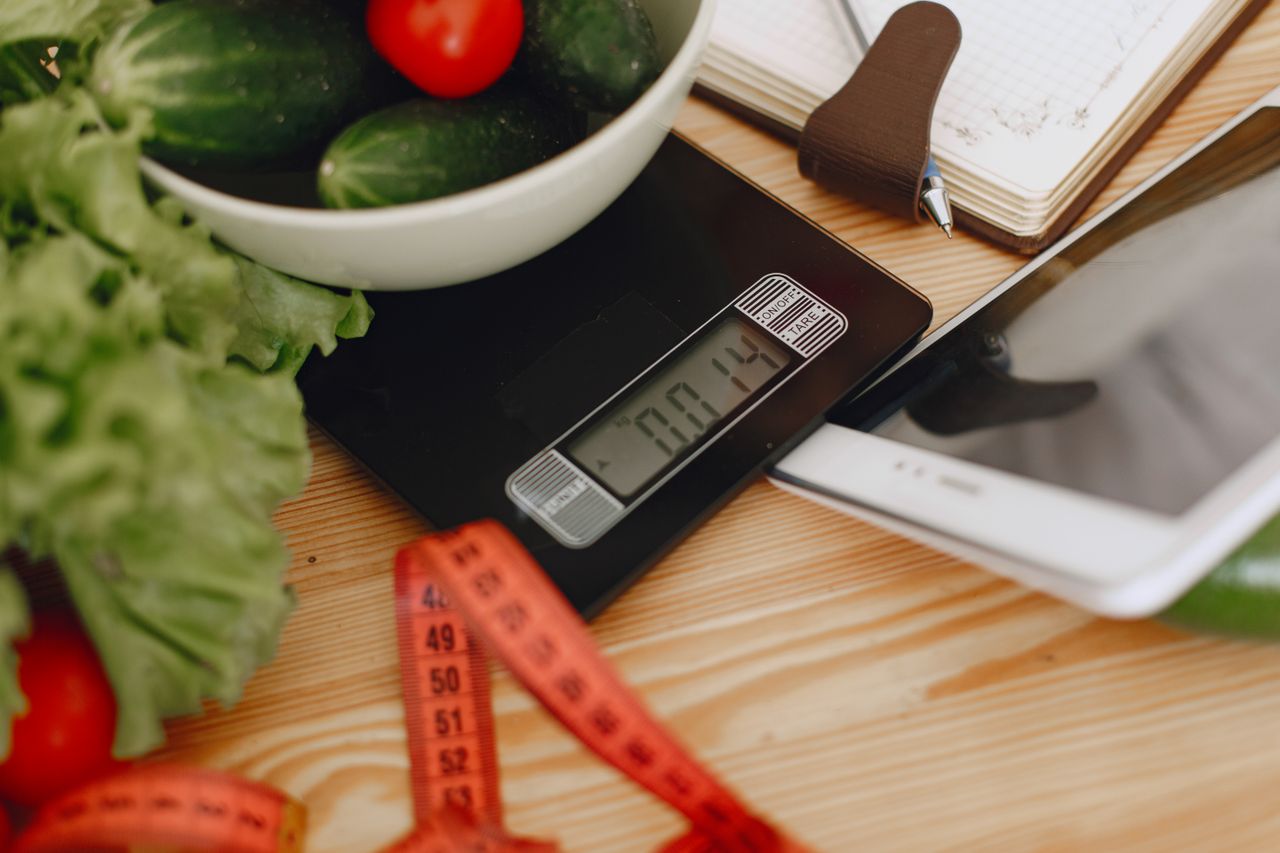
Caption: Weighing your ingredients teaches you exactly what goes into your body. Photo by Gustavo Fring from Pexels
Why Counting Macros Beats Calorie Counting
Most people only track calories. This is a massive mistake.
If you eat fifteen hundred calories of ice cream every day, you might lose weight. You will also lose muscle mass. You will feel terrible. Your energy will crash. Your gym workouts will suffer.
If you eat fifteen hundred calories of balanced macros, you protect your muscle. You lose pure body fat. Your energy stays stable all day long.
The Journal of the International Society of Sports Nutrition published a major clinical review in February 2024. The researchers proved that tracking specific protein and carbohydrate ratios preserves muscle tissue much better than simple calorie restriction. They tracked athletes over six months. The group counting macros for fat loss kept their strength. The calorie counting group lost significant muscle.
I saw this exact scenario with my client David. He ate two thousand calories a day for six months. His weight stayed exactly the same. We used a free macro calculator to adjust his daily food balance. We increased his protein target. We lowered his fats. He kept eating two thousand calories. Within two months, his waist shrank and his arms grew. The total calories stayed identical. The macro ratio made the visual difference.
How to Calculate Your Macros Step by Step
You do not need to guess your numbers. You can find your perfect targets in five simple steps.
Step One: Find Your Total Energy Burn
You must find your total daily energy expenditure first. We call this TDEE. This number tells you how much energy you burn every day just by living and moving. Use a TDEE calculator to find your starting baseline.
Step Two: Choose Your Goal
Do you want to lose fat or build muscle? If you want to drop body fat, you need to eat less energy than you burn. A calorie deficit calculator helps you find that specific target. If you want to build muscle, you need to eat more energy than you burn.
Step Three: Set Your Protein
Protein is your most important number. Active people need lots of protein to recover from daily stress. A standard protein calculator gives you a specific daily goal. I usually advise my clients to eat one gram of protein per pound of their goal body weight. This protects your muscle tissue during a diet phase.
Step Four: Set Your Fats
Fats keep you full between meals. They keep your brain working properly. You should never cut dietary fats completely out of your life. A smart fat intake calculator keeps your hormones safe and stable. I prefer keeping fats around twenty five percent of total daily calories.
Step Five: Set Your Carbohydrates
Fill the rest of your daily energy allowance with carbohydrates. Carbs fuel your heavy gym sessions. They give you the energy to push hard. Use a carbohydrate calculator to finish building your nutrition plan.
Different Goals Need Different Ratios
There is no perfect macro ratio for everyone. Your numbers must match your lifestyle and your specific goals. Let us look at a few common setups.
Are you trying a low carbohydrate plan? A keto diet calculator gives you completely different numbers than a standard diet. It pushes your fats very high and drops your carbs to almost zero. I tested the keto diet on myself last year. It works well for some individuals. You must use a specific keto carb calculator to stay in ketosis.
Do you want to build maximum size? A macro calculator for muscle gain pushes your carbohydrates much higher. You need that extra energy to lift heavy weights and recover faster.
Do you just want to drop belly fat for the summer? Use a macro calculator for weight loss. This setup keeps your protein very high to protect your muscle while you drop the fat.
How to Start Tracking Your Food Daily
You have your numbers. Now you need to track them in the real world.
Buy a simple digital food scale for your kitchen. Place your plate on the scale. Weigh your food before you eat it.
Enter the weight into a tracking app on your smartphone. The app acts as an online macro calculator in your pocket. It adds up your protein, fats, and carbs for the entire day.
I tell all my beginner clients to use a free macronutrient calculator app. You just scan the barcode on your food package. The app does all the hard math for you. Tracking macros feels strange during the first week. By week three, it takes less than five minutes a day.

Caption: Tracking your food takes just a few minutes a day and removes all the guesswork from your diet. Photo by Spencer Stone from Pexels
Common Mistakes When Tracking Macros
I have watched hundreds of people fail at counting macros. They usually make the same three mistakes. I want you to avoid these traps.
First, people forget to track liquid calories. They track their chicken breast perfectly. They forget to track the olive oil they used in the pan. They forget the creamer in their morning coffee. Those untracked calories ruin a calorie deficit. You must track your cooking oils and your drinks.
Second, people obsess over hitting perfect numbers. You know what? Perfection is a myth. You do not need to hit your macro calories exactly to the gram. If your target is one hundred and fifty grams of protein, and you eat one hundred and forty, you will be fine. If you eat ten extra grams of carbohydrates on a Tuesday, you will not ruin your entire month of progress.
The American Journal of Clinical Nutrition released a massive diet study in January 2023. They looked at long term diet success across thousands of participants. People who tracked their food loosely over twelve months saw far better results than people who tracked perfectly but quit after four weeks. Consistency always beats perfection.
Third, people weigh their food after cooking it. This causes huge errors. Meat loses water when you cook it. Pasta absorbs water when you boil it. A chicken breast weighs much less after a trip to the oven. You must weigh your food raw to get accurate numbers from your food macro calculator.
How Macros Change Your Relationship with Food
Tracking your food does something incredible to your mindset. It removes the fear of eating.
Before I learned how to calculate my macros, I labeled foods as good or bad. I thought a donut would instantly make me gain weight. I thought a salad would instantly make me thin.
Macros teach you that food is just data. A donut is just a combination of carbohydrates and fats. If it fits your macros for the day, you can eat the donut and still lose body fat. This approach is called flexible dieting.
I had a client named Jessica who loved chocolate. Every previous diet told her to cut chocolate completely. She would restrict herself for two weeks, binge on candy on the weekend, and gain all her weight back. We used a female macro calculator to set her daily targets. We intentionally left room for one piece of chocolate every single night.
She lost twenty pounds in four months. She never felt restricted. She never binged. She just followed her numbers.
The Reality of Metabolic Adaptation
As you lose weight, your body gets smaller. A smaller body requires less energy to move around. Your daily numbers will eventually change.
If you use a weight loss calculator macros setup and lose fifteen pounds, your original numbers will stop working. Your body adapts. This is normal. You did not break your metabolism. You just need to recalculate your targets based on your new, lighter body weight.
I recommend recalculating your macros every time you lose five to ten pounds. Check your body composition metrics to ensure you are losing fat and keeping your hard earned muscle.
Final Thoughts on Your Nutrition Journey
You now know how to take absolute control of your diet. Stop guessing what you put into your body. Stop starving yourself on miserable crash diets that leave you weak and hungry.
Use an online macronutrient calculator to find your specific targets today. Buy a kitchen food scale. Download a tracking app. Start weighing your meals and learning what portion sizes actually look like.
You will learn more about your body in one month of tracking than you learned in years of guessing. You will learn which meals keep you full. You will learn which snacks leave you hungry an hour later.
Take the first step right now. Find your numbers using the free calculators on this site. Start tracking your food this week and watch your body change for good.