

Have you ever eaten a big meal and felt exhausted an hour later. that crash happens because of how your food impacts your blood sugar. If you want steady energy all day you need to understand the glycemic load. It is a simple concept that changes how you look at your daily meals.
Many people only pay attention to the glycemic index. But the glycemic index and load work together. You really need both metrics to make smart choices for your health and digestion.
What is glycemic load
The glycaemic load measures how much a specific serving of food will actually raise your blood sugar. It looks at the quality of the carbohydrates and the physical amount you eat on your plate. This makes a glycemic load diet much more practical than just looking at the index alone.
Your body processes different foods at different speeds. A high glucose load forces your pancreas to pump out lots of insulin. Over time this constant roller coaster makes you feel tired and hungry. Eating low glycemic load foods keeps your insulin levels calm and steady.
The difference between gi and gl index
People confuse these two terms all the time. The glycemic index tells you how fast a carbohydrate turns into sugar. It ranks food on a scale from zero to one hundred. A food with highest glycemic index digests very quickly.
But the index has a major flaw. it assumes you are eating exactly fifty grams of carbohydrates from that specific food. This is where the glycaemic index of watermelon confuses so many people. Watermelon has a very high index rating. But a normal slice of watermelon is mostly just water. The actual carbohydrates in one serving are quite low. So the gi index of watermelon is high but its actual glycemic load is very low.
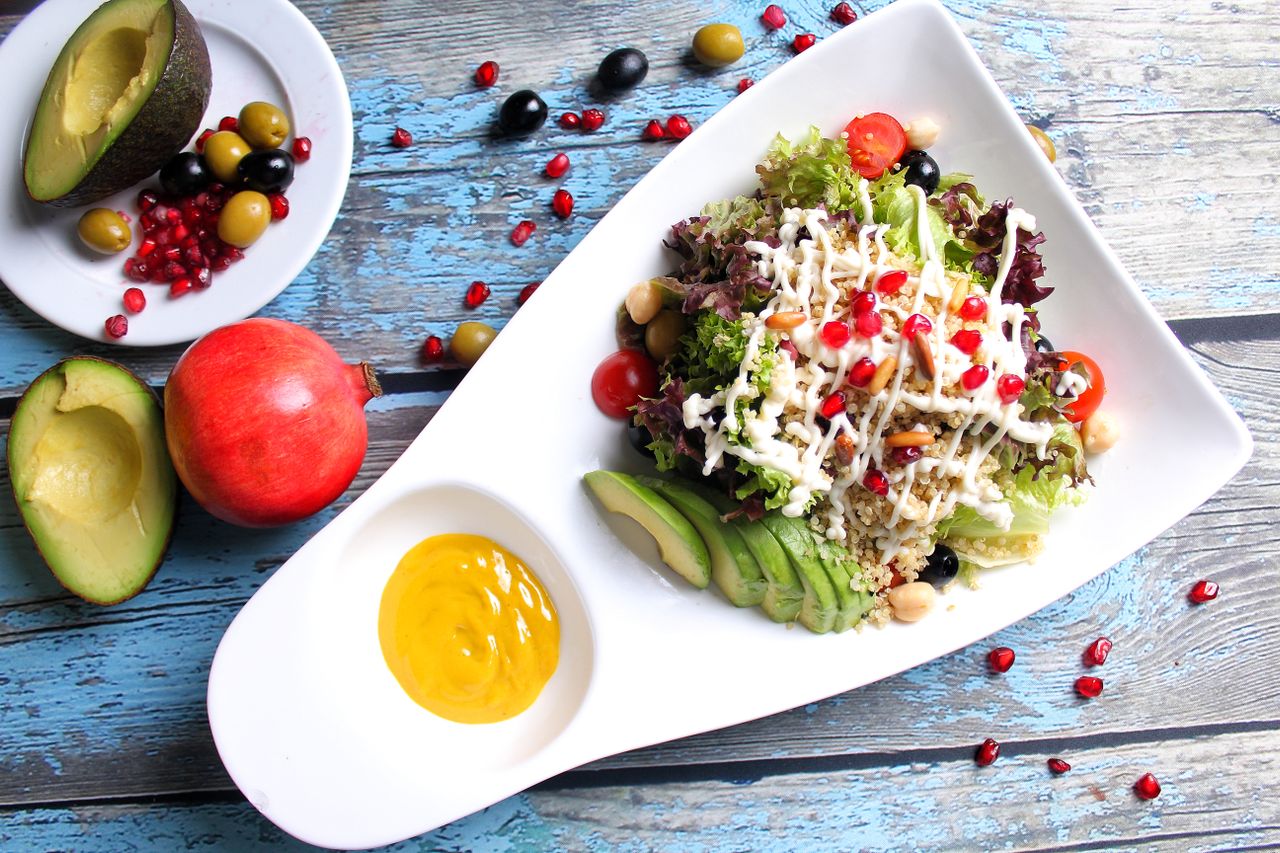
Photo by Shameel mukkath from Pexels
Caption: Adding fresh produce and whole grains to your plate naturally lowers the blood sugar impact of your meals.
Building a low gi diet plan
You do not need to memorize a massive low gi foods list to eat well. You just need to focus on whole foods. A low glycemic index diet naturally focuses on fiber and protein.
If you want stable energy you should keep a few staple items in your kitchen. Non starchy vegetables are always a safe bet. Fruits with low glycemic index include berries and cherries and green apples. The apple glycemic load is quite low because it is packed with dense fiber.
What about breakfast. the egg glycemic index is practically zero. Eggs are pure protein and healthy fats. The egg glycemic load is also zero. If you want a healthy morning meal you can pair those eggs with a slice of real sourdough. Sourdough is a great low glycemic index bread because the natural fermentation process eats up most of the simple sugars.
Managing health and diabetes
People dealing with blood sugar issues need to be extra careful. Finding low glycemic index foods for diabetics makes daily life much easier. When you choose foods low in gi when diabetic you prevent sudden spikes. This protects your blood vessels and nerves over time.
You should always talk to your doctor before making major diet changes. But adding more fresh vegetables is usually a very safe choice. The glycemic index of tomato is very low. Tomatoes are great for salads and fresh sauces. Root vegetables vary quite a bit. The beet glycemic load is moderate. Beets have natural sugars but they also have plenty of rough fiber to slow down digestion.
Choosing the best sweet fruits
Fruit is very healthy but some spike your sugar faster than others. A high glycemic index fruits list usually includes pineapple and overripe bananas. The banana glycemic index and load change depending on ripeness. The banana glycemic load goes up as the peel gets more brown spots because the starches turn into simple sugars.
If you want the lowest gi fruit stick to fresh berries. The glycemic load of strawberries is very low. You can eat a large bowl without causing a massive sugar rush.
Tropical fruits are delicious but tricky. The glycemic load mango brings to your plate is moderate. You can safely eat half a mango if you pair it with some plain Greek yogurt. The protein in the yogurt slows down the sugar absorption.
Swapping flours and grains
Baking on a low sugar diet takes some practice. Standard white flour digests very fast. The wheat flour glycemic index is high especially if it is heavily processed. You can swap it for better options.
The barley flour glycemic load is much lower and it gives homemade bread a nice hearty texture. If you bake gluten free you might look at corn. The corn flour glycemic index is fairly high so you should use it sparingly. Try blending it with almond flour. Almonds are mostly fat and protein. The almond flour glycemic load is nearly zero so it lowers the total impact of your recipe.
Some ancient grains are making a big comeback in modern kitchens. The amaranth glycemic load and bajra glycemic load are moderate to low. They are packed with essential minerals and digest slowly.
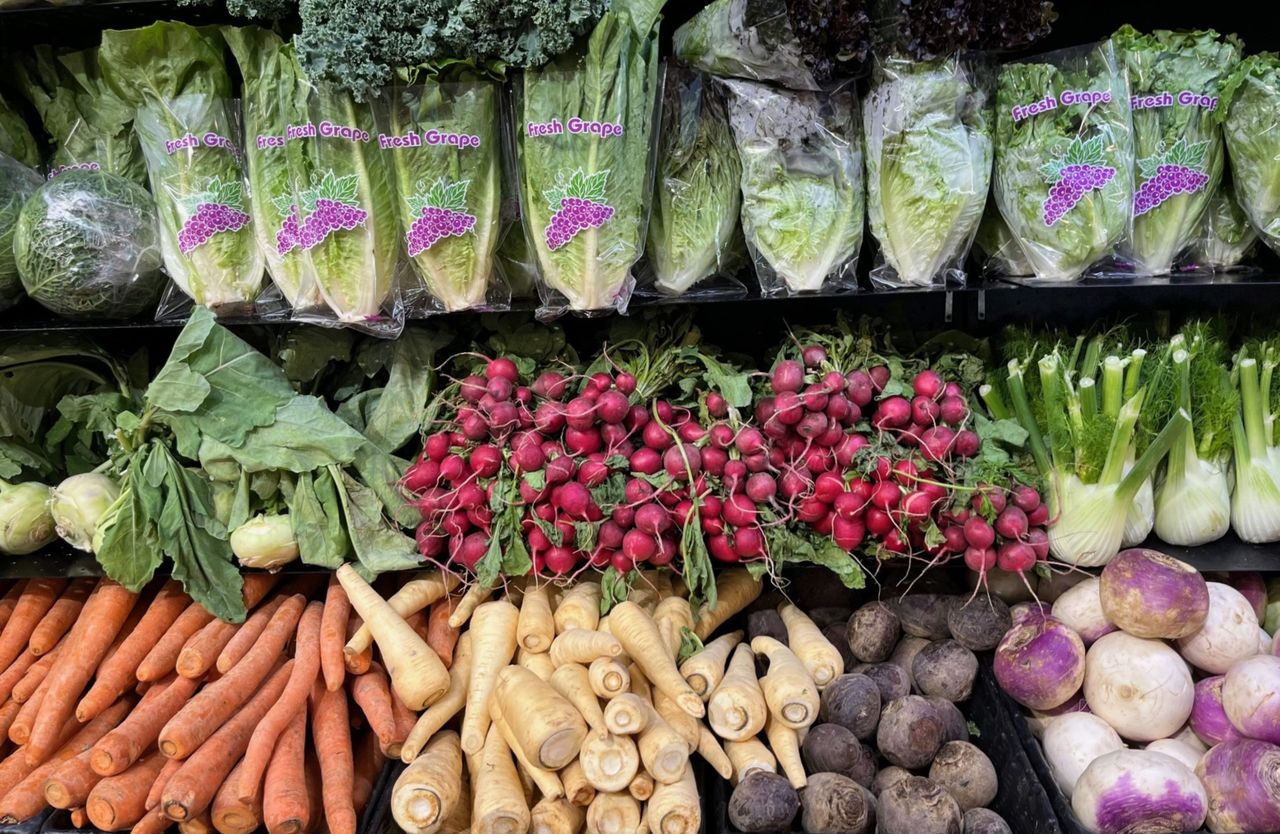
Photo by Chixpix from Pexels
Caption: Shopping the outer edges of the grocery store makes it much easier to find whole foods that keep your blood sugar stable.
Grains and starches for daily energy
Carbohydrates are not bad for you. You just need to pick the right ones. If you are looking for a low gi carbs list start with whole grains. The barley glycemic index and load are excellent for stable energy.
Rice is often tricky. Short grain white rice digests fast. But the basmati rice glycemic load is much lower. If you love potatoes you might worry about the glycemic load of potato. You can actually lower it by boiling the potatoes and letting them cool in the fridge overnight. This simple trick creates resistant starch.
When you plan your meals combining macros is essential. You can figure out your ideal daily food split using a macro calculator. Knowing your macros helps you balance your meals properly. If you are trying to lose weight checking your TDEE is a smart first step before planning your groceries.
Finding everyday low glycemic load foods
You can easily find a printable list of low glycemic index foods online to keep on your fridge. Your low glycemic load meals should always include a source of fiber and a good protein. Protein acts like a brake pedal for your digestion.
The beans glycemic load is one of the lowest in the carbohydrate family. Black beans and kidney beans are fantastic for your health. They give you lasting energy. A bowl of chili made with beans is a prime example of great low gi diet recipes.
Small daily changes make a big difference. Swap white bread for whole grain or rye. Instead of instant oats you can use steel cut oats. Check the almond milk glycemic load next time you buy dairy alternatives. Unsweetened almond milk has a load of zero. However the glycemic index whole milk provides is also quite low because the natural dairy fat slows down absorption.
Snacking is where most people struggle. Low glycemic index snacks should combine a nice crunch with solid protein. Think about sliced apples with fresh peanut butter. The glycemic load peanuts carry is very small. They provide great energy without the afternoon crash.
If you want to track your fitness progress you can use a body fat calculator every few weeks. This helps you see how your new low gi eating plan changes your body composition over time. Pay attention to how you feel after eating. You should feel satisfied and energetic. If you feel sleepy you probably just ate a meal with a high glucose load.