Ever felt like some workouts just click while others feel like pulling teeth? For women, our bodies operate on a powerful, often overlooked rhythm: our menstrual cycle. Imagine harnessing that natural energy flow to optimize your fitness.
We've seen countless women push through intense workouts when their bodies crave rest. Or they hold back when primed for peak performance. This isn't just about feeling better; it's about getting smarter, more effective results.
At freefitnesscalculators.com, we empower you with knowledge. Cycle syncing aligns your exercise routine with your body’s natural hormonal fluctuations. Let's transform your fitness journey together.
Why Your Cycle Matters for Fitness
Think of your menstrual cycle as your body's internal calendar. It guides energy levels, metabolism, and muscle recovery. Ignoring this rhythm makes things harder.
Cycle syncing means working with your body, not against it. This approach respects your hormonal shifts. It helps you maximize gains, minimize injury, and truly enjoy movement.
Understanding Your Menstrual Phases
Before specific workouts, let's break down your cycle's four key phases. Each brings distinct hormonal changes. These influence your energy, strength, and recovery.
Knowing these phases is your first step. It unlocks a more intuitive and effective fitness routine. It's like having a secret weapon for your workouts!
Phase 1: The Menstrual Phase (Days 1-5 approx)
Your cycle begins here, marked by menstruation. Estrogen and progesterone are at their lowest. You might feel lower energy, fatigue, and discomfort.
Your body is doing a lot of internal work. This is a signal to prioritize rest and gentle movement.
Phase 2: The Follicular Phase (Days 1-14 approx)
As your period ends, estrogen starts to rise. You'll likely feel a surge in energy, improved mood, and increased strength. This is your body's natural 'growth' period.
Think of it as your body priming itself for action. Your resilience to pain might even be higher.
Phase 3: The Ovulatory Phase (Days 12-16 approx)
Estrogen peaks, and testosterone also rises temporarily. This is often your most energetic and strongest phase. You might feel powerful and ready for challenges.
Many women report feeling their best during ovulation. It’s a fantastic window for peak performance.
Phase 4: The Luteal Phase (Days 15-28 approx)
After ovulation, progesterone becomes dominant. Estrogen drops before rising again. Energy levels gradually decrease. Your body might crave more steady activities.
Towards the end of this phase, energy can dip significantly. Listen closely to your body's cues.
Workouts for Each Menstrual Phase
Now, let's tailor your exercise. This isn't about rigid rules. It's about smart adjustments that honor your body's natural flow.
Menstrual Phase: Gentle & Restorative (Days 1-5 approx)
Your body is working hard. Pushing too hard can increase inflammation and fatigue. Focus on kindness and recovery.
Opt for gentle walking, light stretching, restorative yoga, or Pilates. If you feel up to it, very light resistance is fine. Prioritize comfort.
Remember, rest is a powerful tool. Don't feel guilty for taking a day off.
Follicular Phase: Strength & Power (Days 1-14 approx)
As estrogen rises, so does your energy and ability to build muscle. This is your prime time for pushing limits and seeing significant gains.
Embrace heavier strength training, high-intensity interval training (HIIT), and power-focused workouts. Your body uses carbohydrates efficiently. Recovery capacity is often higher.
This is when you can really challenge yourself, lift heavier, and aim for personal bests.

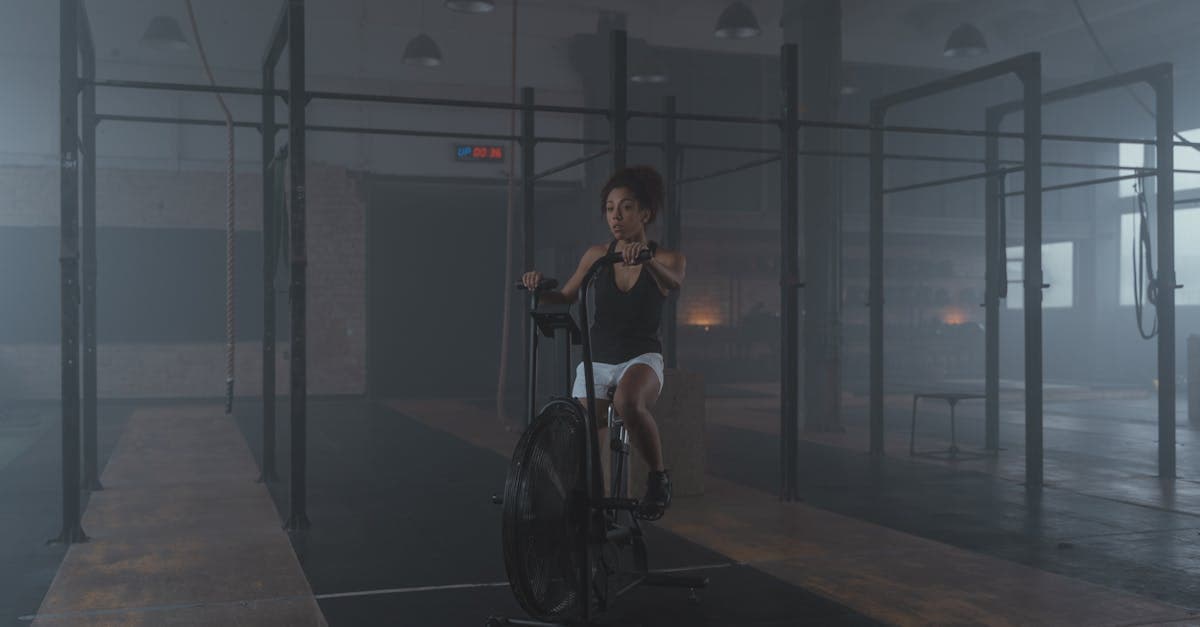
Just like this athlete pushes limits, your follicular phase is your opportunity. Harness your natural strength and power. Don't be afraid to go for it!
Ovulatory Phase: Peak Performance & Agility (Days 12-16 approx)
With estrogen and testosterone peaking, you're likely at your strongest, most coordinated, and most energetic. This is your window for peak performance.
Consider attempting personal records (PRs), high-intensity cardio, competitive sports, or agility drills. Your reaction time might even be sharper.
This is the time to showcase your fitness. Scheduling a race or big lift now can be incredibly advantageous.
Luteal Phase: Endurance & Sustainable Movement (Days 15-28 approx)
As progesterone becomes dominant, energy might dip. You might feel less inclined for explosive movements. Your body relies more on fat for fuel.
Focus on moderate-intensity strength training, longer steady-state cardio, Pilates, or endurance activities. This is a great time for sustained effort.
Towards the end of this phase, dial back intensity. Prioritize recovery. Gentle stretching and walks are beneficial.

Preparation is key for any workout. In the luteal phase, preparing for sustained, moderate effort makes all the difference. Move with intention.
The Transformative Benefits of Cycle Syncing
Embracing cycle-synced exercise is a profound way to connect with your body. It elevates your fitness journey.
Benefits include enhanced energy, improved mood, reduced PMS symptoms, and better injury prevention. You'll likely enjoy workouts more and see consistent progress.
It's about working smarter, not just harder. This approach helps break plateaus and feel more in tune with natural rhythms.
How to Start Cycle Syncing Your Workouts
Ready to try? Here's how to begin your journey to more intuitive movement.
First, track your cycle. Use an app, journal, or calendar. Note period start, energy peaks, and fatigue. This data is invaluable.
Second, listen to your body. This is crucial. Phases are guidelines, not rigid rules. Your body is your best guide.
Third, be flexible. Life happens! If you're follicular but tired, a gentle workout is fine. If luteal with energy, embrace it responsibly.
Explore research on hormonal fluctuations and exercise for deeper insights. The American College of Obstetricians and Gynecologists offers excellent resources.
Beyond Exercise: A Holistic Approach
Exercise is vital, but cycle syncing extends to nutrition and lifestyle. Supporting your body with the right foods and rest amplifies results.
Consider a holistic nutritionist or women's health coach. They can craft a personalized plan. Nourish your body from the inside out.
Further understanding your hormonal profile can be gained from NIH research on exercise and the menstrual cycle. It provides a scientific backbone.
Final Thoughts on Empowered Movement
Cycle-synced exercise is about empowerment, not perfection. It's about moving in a way that truly serves your body. Don't force a one-size-fits-all mold.
By honoring your cycle, you optimize workouts and cultivate a deeper connection with yourself. This journey is about sustainable health, vibrant energy, and well-being.
Experiment, observe, and adjust. Your body is intelligent. Tuning into its wisdom unlocks new fitness success and vitality.
References
- American College of Obstetricians and Gynecologists (ACOG). Exercise During Pregnancy and Postpartum Period.
- McNulty, K. L., et al. (2022). The Effects of the Menstrual Cycle on Exercise Performance in Women: A Systematic Review and Meta-Analysis. Journal of Human Kinetics, 82(1), 101–117.
- Office on Women's Health. (2021). Your Menstrual Cycle. U.S. Department of Health and Human Services.
- Sims, S. T. (2016). Roar: How to Match Your Food and Fitness to Your Female Physiology for Optimum Performance, Great Health, and a Strong, Lean Body for Life. Rodale Books.
Frequently Asked Questions
Can men benefit from cycle-synced exercise?
While cycle syncing specifically addresses the female menstrual cycle, the core idea of listening to your body's energy and adjusting workouts is universal. Men also experience daily hormonal shifts (like morning testosterone peaks) and natural energy fluctuations. The key is tuning into your body's signals for rest and intensity, regardless of sex.
How long does it take to see results from cycle syncing?
You'll likely notice immediate "results" like improved energy, better mood, and a more intuitive connection with your body during workouts. Physical changes, such as muscle gain or fat loss, are gradual. However, by optimizing workouts to your body's natural strengths, progress often feels more sustainable. This can lead to more consistent results over several cycles.
What if my cycle is irregular?
If your cycle is irregular, cycle syncing can still help. It requires more careful tracking and a greater focus on daily energy and mood. You might not have clear phases, so focus on general patterns: days of higher energy versus days of fatigue. Consulting a healthcare provider or women's health specialist can also help manage an irregular cycle, making cycle syncing easier.
Do I have to completely change my workout routine?
Not at all! Cycle syncing is about adapting your routine, not overhauling it. Keep your favorite exercises but adjust intensity, duration, or type. For example, lift heavier in your follicular phase. Opt for lighter weights or more reps with less intensity in your luteal phase. It's about making smart, subtle shifts that honor your body's current capacity.