
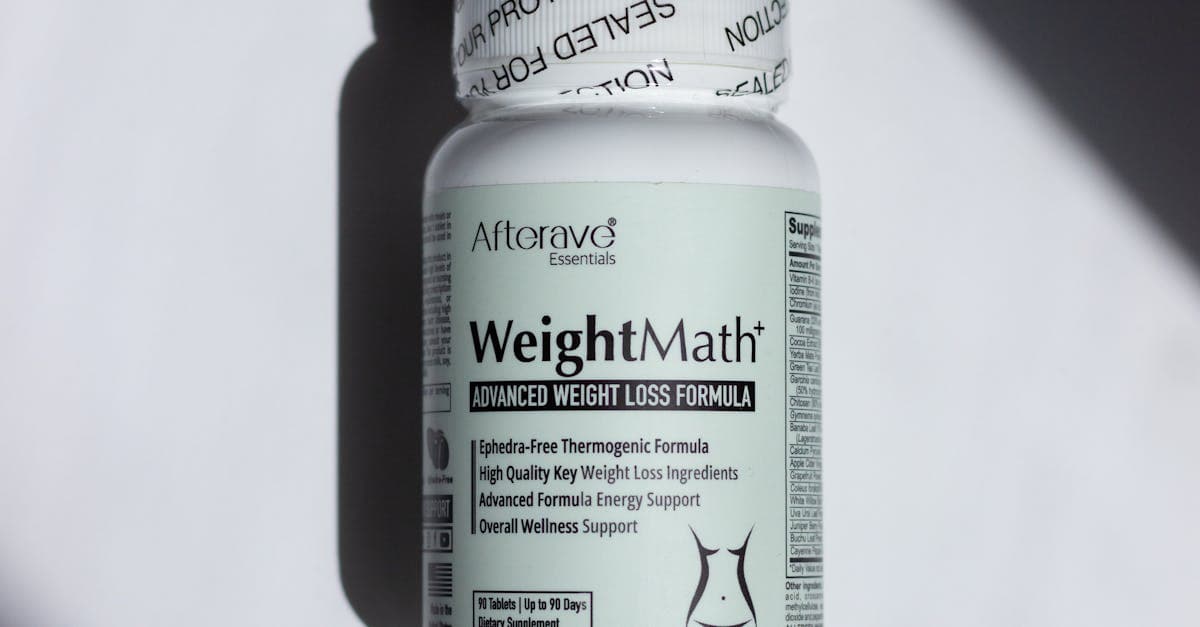
You sit down with a new personal training client. They tell you their diet is perfect. They exercise four days a week. Yet the scale refuses to move. They look at you and say their metabolism is slow. They think they need a massive metabolic boost to see any results.
I hear this every single week. I am a fitness coach. I am not a metabolic doctor. I do not run a metabolic clinic. But I do look at human data all day long.
A few years ago I realized that guessing was not working. My clients needed real answers. I decided to test the modern metabolic tracking tools on the market. I bought the wearables. I analyzed the spreadsheets. I looked at the clinical studies behind energy and metabolism.
Fitness professionals need to understand how body metabolism actually functions. We need to look past the marketing hype of the natural metabolism booster. Let me show you how to track metabolic health accurately and get your clients moving forward again.
The Reality of Body Metabolism
We throw around the phrase metabolic health constantly. What does it actually mean?
Cellular metabolism involves all the chemical reactions happening inside the body to sustain life. Your body constantly breaks down food to create energy. This is your energy metabolism.
The New England Journal of Medicine published a comprehensive review in March 2024 regarding human energy expenditure. They confirmed that metabolic pathways are highly adaptable. When a client eats too little food for months at a time their body adapts. Their non exercise activity drops. Their heart rate slows down. They complain about their metabolism slowing down. They are completely right.
This is not a broken system. This is adaptive thermogenesis. Your client is experiencing a survival mechanism.
To fix this we must track exactly what goes into the body and exactly what comes out. You cannot manage what you do not measure.
Testing the Modern Trackers
Clients love gadgets. They ask me about the Lumen metabolic tracker. They ask if Ultrahuman rings will fix their weight gain. I decided to find out for myself.
I wore an Ultrahuman ring for six months. I used a Lumen tracker for ninety days.
The Lumen device measures the carbon dioxide in your breath. It attempts to tell you if you are using carbohydrate metabolism or lipid metabolism for fuel. The concept is fascinating. The reality is a bit messy.
My client David bought a Lumen tracker. He became incredibly stressed about his morning numbers. If the device said he was burning carbs instead of fat he would skip breakfast. His gym performance tanked. His metabolic fitness actually got worse because he stopped eating enough protein to recover.
The Ultrahuman rings provide excellent sleep data. Sleep directly impacts glucose metabolism. A study published by Sleep Medicine Reviews in January 2024 proved that poor sleep destroys insulin sensitivity. The ring helped me show my clients that their late night television habits were ruining their fat loss.
Gadgets give you clues. They do not do the work. You still need to build a solid nutrition plan based on real numbers. You can start by reading our advanced metabolic tracking strategies study to see how professionals use this data.

Caption: Technology provides valuable clues but human coaching drives actual results.Photo by Mikhail Nilov from Pexels
Understanding Metabolic Syndrome
As coaches we often encounter clients dealing with severe health hurdles. They struggle with metabolic syndrome difficulty losing weight.
Metabolic syndrome x is a cluster of conditions. It includes high blood pressure, high blood sugar, excess body fat around the waist, and abnormal cholesterol levels. This leads directly to cardio metabolic disease.
I always require medical clearance for clients with these conditions. I let their endocrinology and metabolism specialist handle the prescriptions. My job is to handle the movement and the food.
Dr Thomas Seyfried published extensive research in 2023 discussing cancer as a metabolic disease and the importance of mitochondrial health. His work highlights how heavily our diet impacts cellular function. When we feed our clients highly processed foods we damage their metabolic system.
The best diet for metabolic syndrome focuses on whole foods. We need to stabilize their blood sugar. We need to optimize their protein metabolism so they build muscle. Muscle tissue acts like a sponge for excess blood glucose.
How to Track Like a Professional
You do not need a fancy laboratory to track a client properly. You just need consistency and a clear system.
Here is the exact framework I use to track my clients.
1. Establish the Baseline
You must know where the client is starting. Ask them to track every bite of food they eat for five days without changing their habits. Look at their natural protein intake. Look at their sugar metabolism habits.
Calculate their resting energy needs. I use a TDEE calculator to establish their total daily energy expenditure. This gives me a mathematical baseline.
2. Monitor Body Composition
The bathroom scale lies. It measures water weight, glycogen storage, and bone mass. It does not tell you if the client is losing fat or muscle.
I track tape measurements around the waist, hips, and chest every two weeks. I track gym performance. If a client is getting stronger on their squats their muscle metabolism is functioning perfectly. You can learn more about finding the right metrics in our body composition guide.
3. Track Daily Movement
Aerobic metabolism happens in the gym. Non exercise activity thermogenesis happens everywhere else.
I require all my clients to hit a daily step goal. I monitor this through their phone or their smartwatch. If a client drops their daily steps from ten thousand down to four thousand they will stop losing weight. Their overall body metabolism slows down because they stopped moving.
4. Evaluate Stress and Sleep
You cannot ignore stress hormones. High cortisol levels destroy a metabolic profile.
When a client is stressed their body holds onto water. Their digestion slows down. Their estrogen metabolism can become sluggish. I track their sleep hours and their subjective stress levels on a weekly check in form.
If you want to dive deeper into this specific mechanism read our breakdown on the impact of stress hormones on metabolic rate. It explains exactly why stressed clients stop losing fat.

Caption: Quality sleep regulates the stress hormones that directly control how your body burns energy. Photo by Vitaly Gariev from Pexels
Advanced Nutrition Strategies
Once you have the baseline established you can introduce specific nutritional protocols.
Some clients respond very well to nutritional ketosis. This forces the body to rely on ketone bodies metabolism rather than glucose. I have used this approach for clients with severe insulin resistance. It acts as a metabolic switch.
However most clients just need a basic balance. They need to prioritize protein.
Digesting protein requires massive amounts of energy. The Journal of the International Society of Sports Nutrition published a statement in late 2023 confirming that high protein diets significantly increase resting energy expenditure.
When my client Sarah stalled on her fat loss we looked at her food log. She was eating eighty grams of protein a day. We bumped her protein up to one hundred and forty grams. We kept her total calories exactly the same. Her weight started dropping again within ten days. The thermic effect of food gave her a natural metabolic boost.
You also need to watch their hydration. Water and metabolism are closely linked. Cellular functions require water to operate. Mild dehydration can slow down hepatic metabolism and make your client feel exhausted.
Addressing the Metabolic Age Myth
Clients often take an online quiz and panic because their metabolic age is ten years older than their biological age.
Metabolic age is simply a comparison of your basal metabolic rate to the average BMR of people in your chronological age group. It is a metric used to motivate people. It is not a medical diagnosis.
If your client has low muscle mass they will have a low BMR. This gives them a high metabolic age. The fix is simple. Have them lift heavy weights. Building muscle increases their resting calorie burn.
You can walk them through our guide on how to calculate and lower metabolic age to ease their anxiety. Show them that building strength is the ultimate fountain of youth.
Overcoming the First Pass Metabolism Problem
This applies to clients taking oral supplements. First pass metabolism refers to how the liver processes and dilutes a substance before it reaches the bloodstream.
Many clients spend hundreds of dollars on metabolism boosting pills or dim estrogen supplements. The liver destroys most of the active ingredients before they ever reach the muscles.
Instead of relying on pills focus on whole foods. Focus on caffeine and metabolism. A simple cup of black coffee before a workout provides a proven, safe increase in energy expenditure. It passes through the system effectively and helps the client push harder during their training session.
Putting It All Together
Your clients look to you for clarity. They are confused by the endless articles about hyper metabolism and secret detox teas.
You know the truth. True metabolic health comes from consistent daily habits.
Start by collecting accurate data. Track their calories, their protein, and their daily steps. Monitor their sleep quality. Use the free tools provided to establish their baseline numbers.
When a client tells you their metabolism is slow do not argue with them. Validate their frustration. Explain how adaptive thermogenesis works. Show them the data. Then build a plan that feeds their muscle, manages their stress, and gets them moving again.
You have the tools to track this properly. Stop guessing and start measuring.